
NASA has successfully received some scientific and engineering data from the historic lunar mission conducted by Intuitive Machines before the lander, named Odysseus, ceased operations. This marks a significant milestone in the commercial lunar exploration era, despite challenges faced during the mission. The mission's success underscores the growing role of private companies in advancing space exploration, contributing to NASA’s broader Artemis program objectives.
The Mission Overview
Intuitive Machines’ Odysseus lander was part of NASA’s Commercial Lunar Payload Services (CLPS) initiative, aimed at partnering with private companies to advance lunar exploration. Launched aboard a SpaceX Falcon 9 rocket, Odysseus landed near the Moon’s south pole, an area of high scientific interest due to potential water ice deposits.
The mission sought to demonstrate how commercial landers could deliver payloads to the lunar surface in support of NASA’s long-term lunar exploration goals. This initiative aligns with the Artemis program’s vision of establishing a sustainable human presence on the Moon by leveraging public-private partnerships.
Challenges and Achievements
While the mission faced technical difficulties, including communication challenges and power constraints, the lander successfully transmitted crucial data before shutting down. NASA confirmed that it received scientific measurements and operational insights that will contribute to future lunar exploration missions.
Key Accomplishments:
- Scientific Data Collection: Instruments onboard Odysseus gathered environmental data from the lunar surface, including temperature readings, radiation exposure levels, and surface composition analysis. This information will be invaluable for refining future mission designs and assessing the lunar environment’s suitability for human exploration.
- Operational Insights: The mission provided valuable lessons in lunar navigation, communication, and power management. It also tested the efficiency of commercial spacecraft in operating in the harsh lunar conditions.
- Commercial Spaceflight Progress: As one of the first CLPS missions, this project demonstrated the potential for private companies to play a significant role in future lunar and deep-space missions. It showcased the ability of commercial partners to develop cost-effective solutions for lunar exploration.
The Scientific and Engineering Data Transmitted
Despite the unexpected challenges, Odysseus was able to send back critical information that will aid in future mission planning. Some of the notable data transmitted include:
1. Lunar Surface Composition Analysis
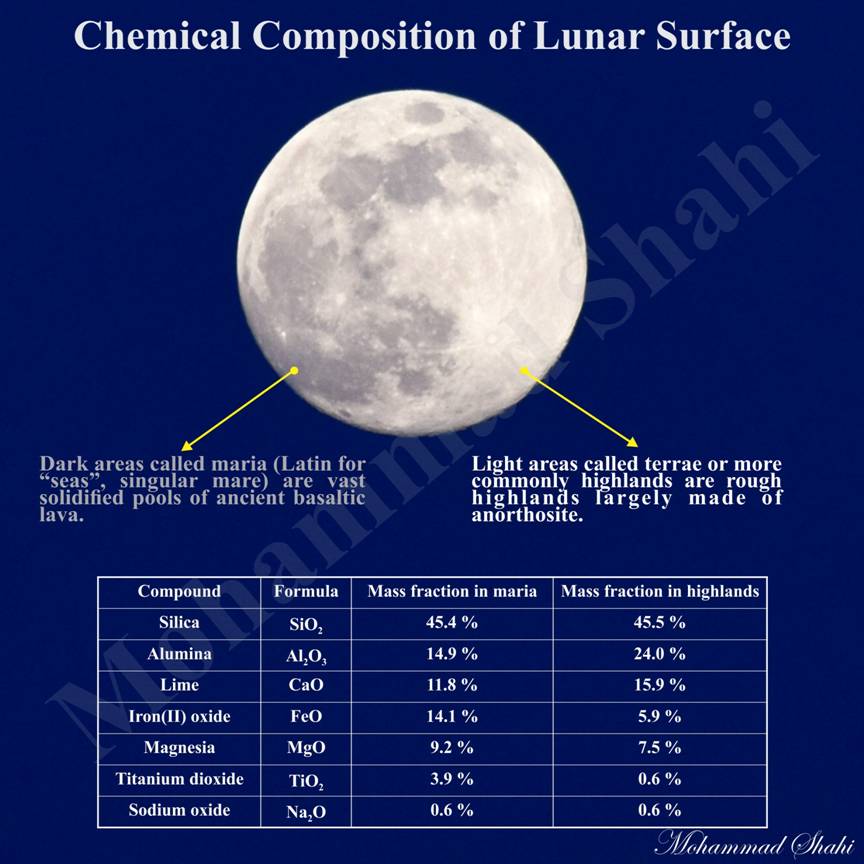
Odysseus carried payloads designed to analyze the composition of lunar regolith. This data helps scientists understand the mineral content and potential resources available for in-situ utilization. Such insights are vital for determining how future missions can extract and use lunar materials for construction, life support, and fuel production.
2. Temperature and Radiation Measurements

Given that the lunar south pole is of particular interest due to its permanently shadowed regions, temperature and radiation readings are essential for assessing habitability and technology durability. The information gathered will contribute to designing better shielding and thermal regulation systems for future missions, particularly those aimed at long-term human habitation.
3. Navigation and Landing Insights
Landing on the Moon remains one of the most complex challenges in space exploration. The data sent back by Odysseus provided real-world feedback on the navigation and descent processes, helping refine guidance systems for upcoming missions. These insights are crucial for improving autonomous landing technologies, ensuring precise landings with minimal risk.
4. Power Management Challenges and Solutions
One of the major hurdles faced during the mission was power management. The lander’s ability to sustain operations and transmit data before losing power highlights both the strengths and areas needing improvement in lunar power storage and generation technologies. This knowledge will inform the development of more resilient power systems for future lunar landers and rovers.
Implications for Future Lunar Missions
Despite its early shutdown, Odysseus’ mission represents a crucial step in the Artemis program’s broader goal of sustainable lunar exploration. The data retrieved will aid in refining lander technology, ensuring more robust systems for future missions. Moreover, it reinforces the growing importance of public-private partnerships in space exploration.
The Role of Commercial Lunar Missions
This mission is part of a larger effort by NASA to transition toward a sustainable model for lunar exploration. By leveraging commercial partners like Intuitive Machines, NASA can focus on its broader mission objectives while allowing private industry to innovate and develop cost-effective lunar transport solutions.
Future CLPS Missions
NASA has several upcoming CLPS missions, each designed to test new technologies, deliver payloads, and gather critical lunar data. These missions will help pave the way for crewed Artemis missions by:
- Testing in-situ resource utilization techniques.
- Demonstrating new mobility systems, such as lunar rovers and autonomous vehicles.
- Improving communication and navigation technologies for long-term lunar operations.
Long-Term Goals: A Permanent Human Presence on the Moon
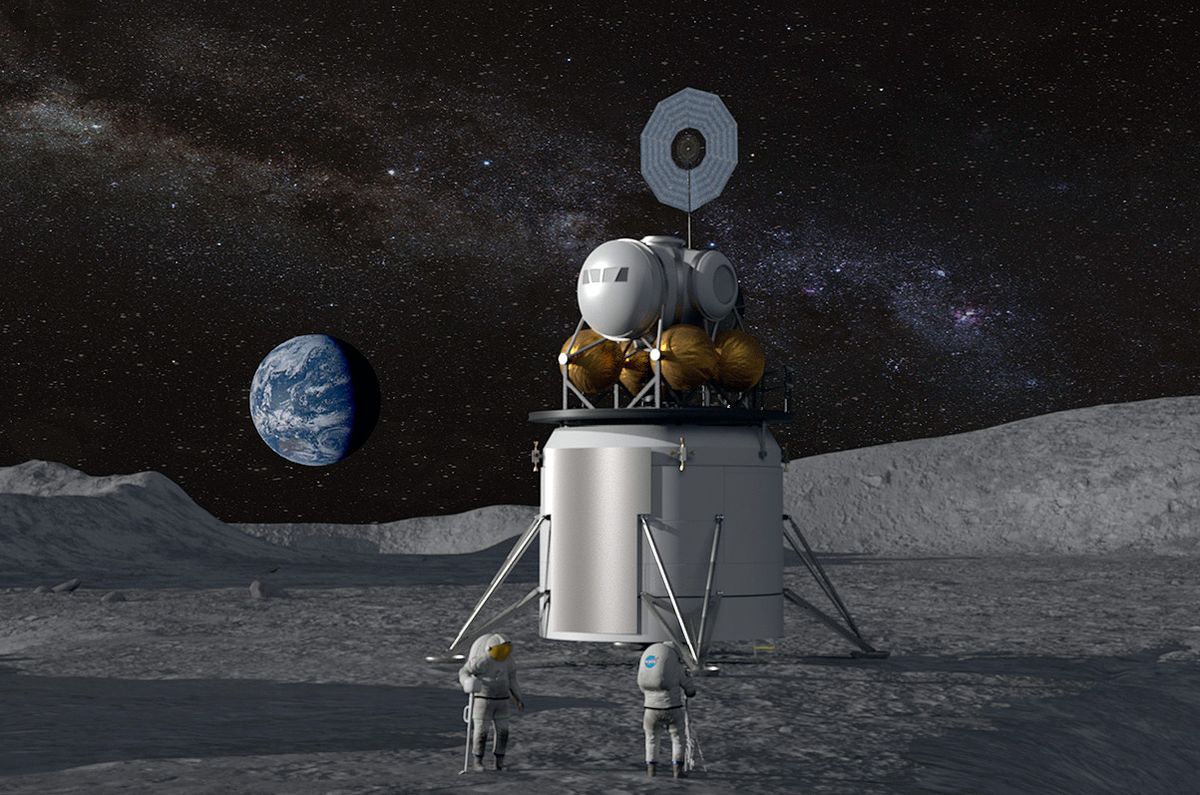
The ultimate goal of NASA’s Artemis program is to establish a sustainable human presence on the Moon by the end of the decade. Missions like Odysseus provide the foundational knowledge required to achieve this vision. The lessons learned from this mission will inform future lunar habitats, scientific research stations, and transportation systems.
Conclusion
The successful transmission of data from Intuitive Machines’ Odysseus lander before its shutdown marks a significant achievement for commercial lunar exploration. Despite challenges, the mission provided invaluable scientific and operational insights that will shape future missions to the Moon.
As NASA and its commercial partners continue to push the boundaries of lunar exploration, each mission builds upon the knowledge gained from the last. With more CLPS missions planned in the coming years, the dream of a sustained human presence on the Moon is becoming increasingly tangible.
Stay tuned for further developments as NASA and private space companies advance their efforts to unlock the mysteries of the lunar surface!



No comments:
Post a Comment