Deep Dive: The James Webb Space Telescope – Exploring the Latest Discoveries

Introduction
The James Webb Space Telescope (JWST), the most advanced space observatory ever built, is transforming our understanding of the universe. Launched on December 25, 2021, JWST is designed to explore the cosmos with unprecedented precision, uncovering new details about exoplanets, distant galaxies, and cosmic origins. This article delves into the latest discoveries made by JWST and their impact on modern astrophysics.
Unveiling the Early Universe
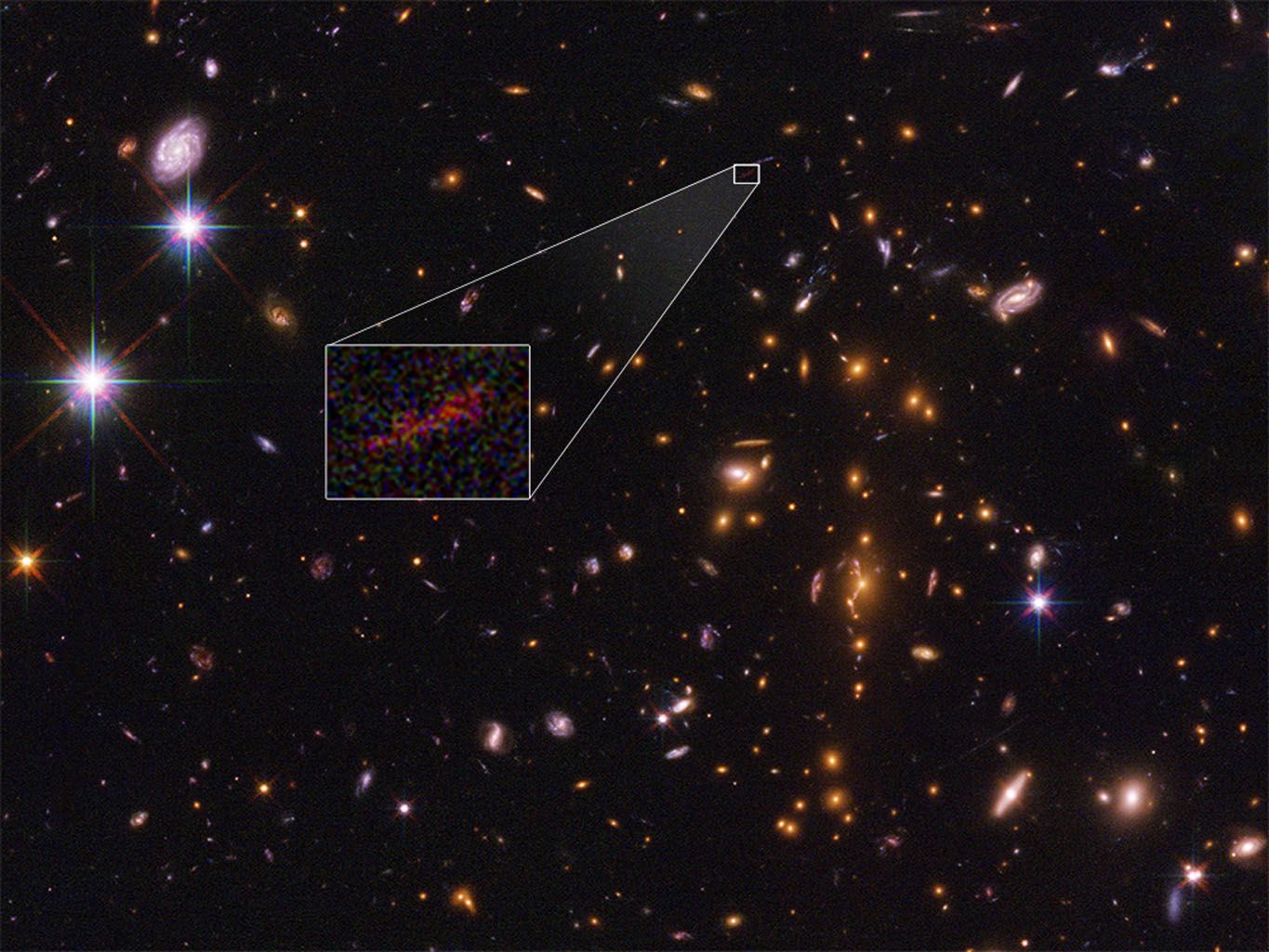
JWST’s infrared capabilities allow it to peer deeper into space and further back in time than ever before. Some groundbreaking findings include:
- Earliest Galaxies: JWST has detected galaxies forming as early as 200-300 million years after the Big Bang, challenging previous models of early cosmic evolution.
- First Stars (Population III Stars): Scientists are using JWST’s powerful instruments to hunt for the elusive first-generation stars, believed to be massive and composed entirely of hydrogen and helium.
- Cosmic Dawn: Observations of ancient quasars and galaxy clusters are helping refine our understanding of reionization, the era when the first light illuminated the universe.
Exoplanets and Atmospheres
JWST is revolutionizing exoplanetary research by analyzing planetary atmospheres in unprecedented detail. Some of its key findings include:
- Detection of Carbon Dioxide on Exoplanets: For the first time, JWST has identified CO2 in an exoplanet’s atmosphere, confirming the potential for habitable environments.
- Water Vapor and Clouds: Observations of hot Jupiters and super-Earths reveal dynamic weather patterns, including possible water vapor and high-altitude clouds.
- Potential Biosignatures: Researchers are searching for signs of life by detecting molecules like methane, oxygen, and ozone in exoplanet atmospheres.
Mapping Star Formation and Death
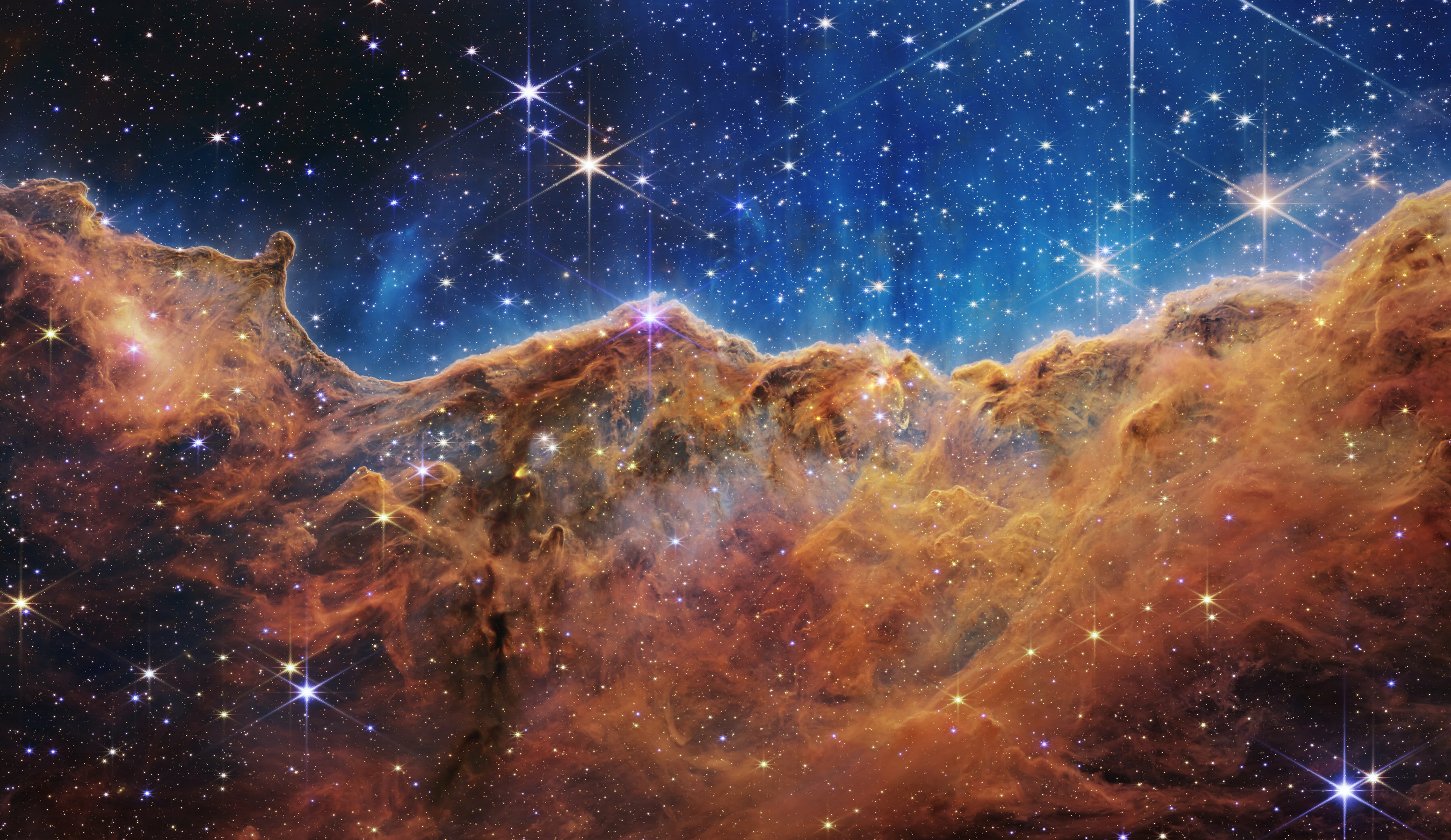
JWST’s ability to capture intricate details of stellar birth and death has led to incredible discoveries:
- New Insights into Star Birth: The telescope has revealed detailed structures in star-forming regions such as the Carina Nebula, showing how stars emerge from dense molecular clouds.
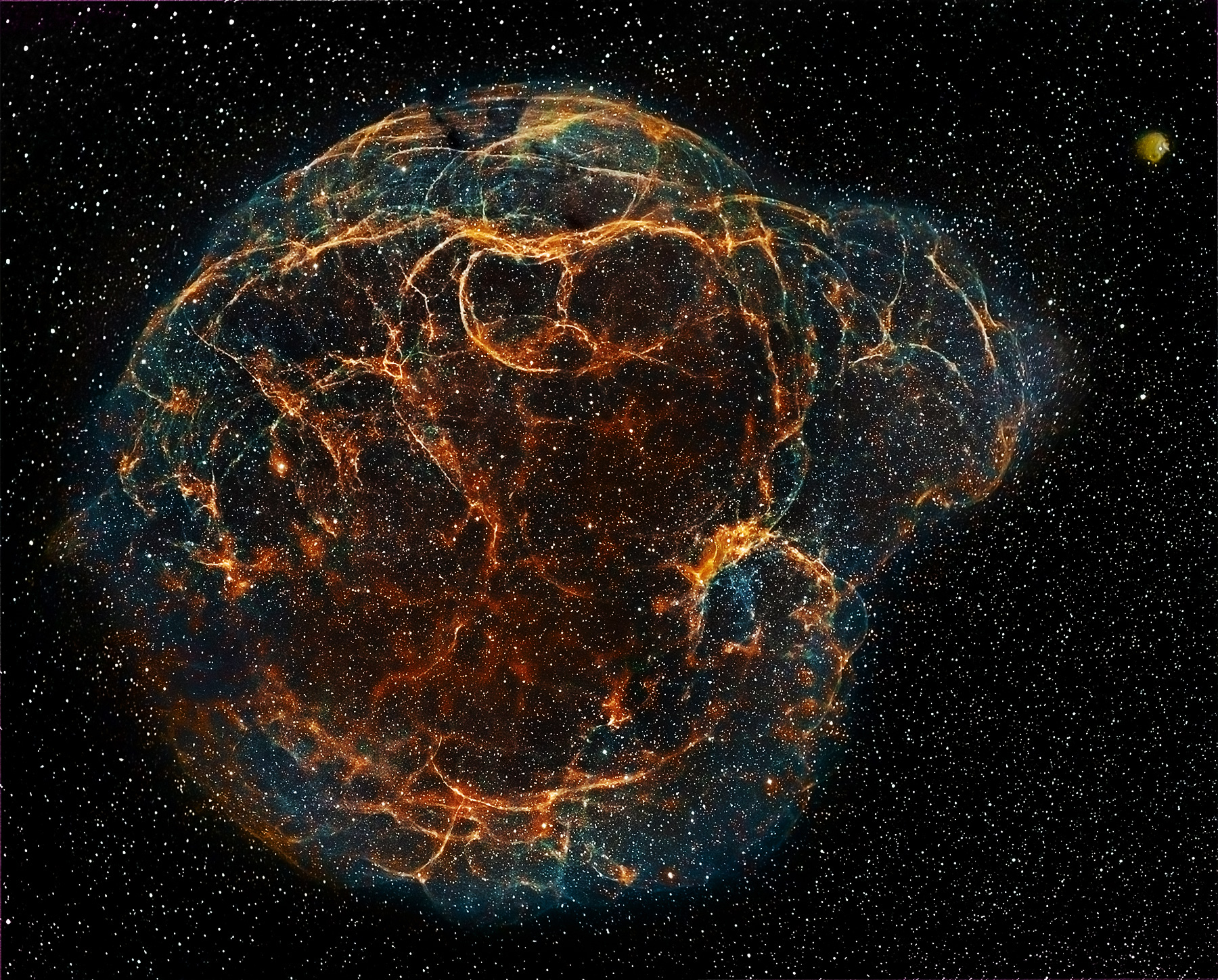
- Supernova Remnants: JWST has provided high-resolution images of supernova explosions, offering insights into how heavy elements like gold and iron are distributed in space.
- Planetary System Formation: By studying protoplanetary disks around young stars, JWST is shedding light on how planets form from cosmic dust and gas.
Dark Matter and Cosmic Structure
One of JWST’s most intriguing applications is its role in uncovering the nature of dark matter and large-scale cosmic structures:
- Gravitational Lensing: By observing massive galaxy clusters, JWST uses their gravitational pull as cosmic magnifying glasses to see even deeper into the universe.
- Distribution of Dark Matter: High-resolution images of distant galaxies provide insights into the mysterious distribution of dark matter, refining cosmological models.
- Testing Theories of Gravity: Data from JWST could help confirm or challenge current theories on dark energy and the expansion rate of the universe.
FAQ: Less Common Questions About JWST
Q: How does JWST differ from Hubble?
A: Unlike Hubble, JWST primarily observes in infrared, allowing it to see through cosmic dust and detect fainter objects from the early universe.
Q: How long is JWST expected to operate?
A: Initially planned for 10 years, JWST may function longer due to efficient fuel usage and optimal positioning at Lagrange Point 2 (L2).
Q: What is the most distant object JWST has observed?
A: JWST has detected galaxies over 13.5 billion light-years away, providing the deepest views of the universe to date.
Conclusion
The James Webb Space Telescope is reshaping our understanding of the cosmos, offering unprecedented insights into the origins of galaxies, planets, and cosmic structures. With each new discovery, JWST brings us closer to answering fundamental questions about the universe.



No comments:
Post a Comment