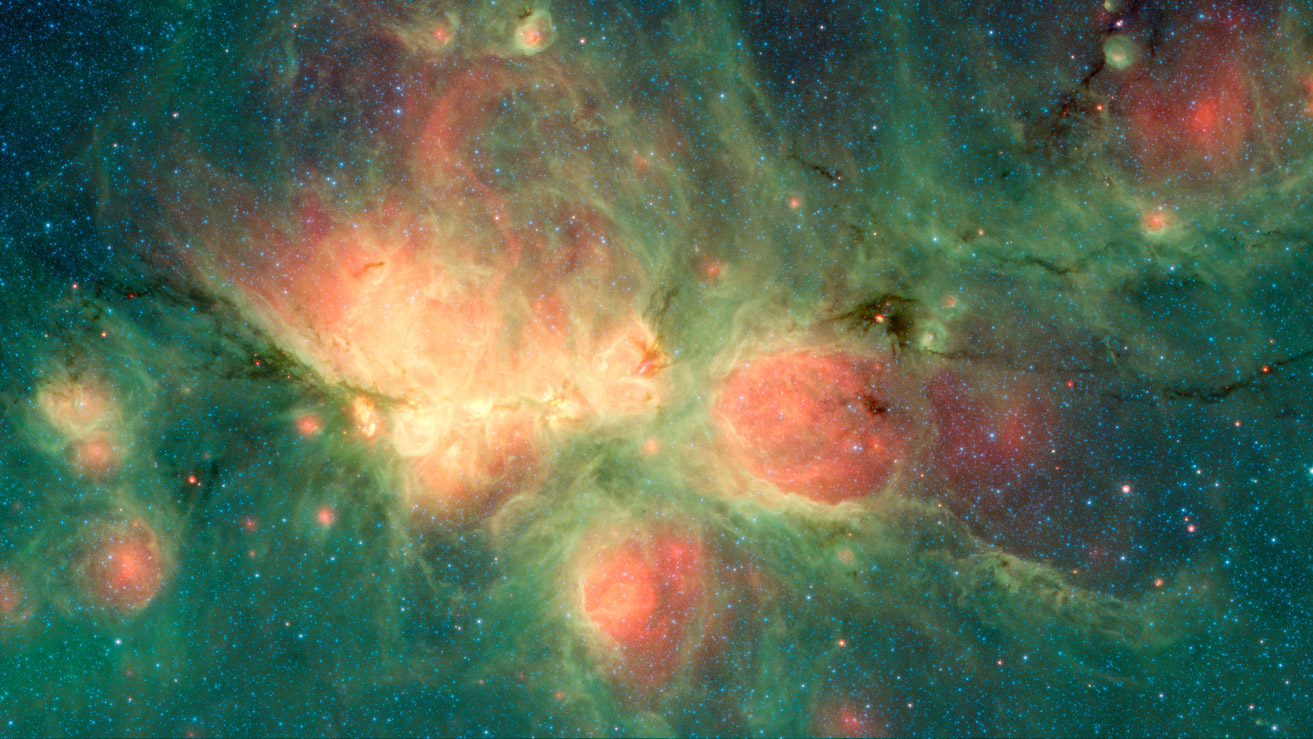
NASA is gearing up to launch its next-generation space telescope, SPHEREx (Spectro-Photometer for the History of the Universe, Epoch of Reionization, and Ices Explorer). This groundbreaking mission aims to map the entire sky in infrared light, providing invaluable data on the origins of the universe, the formation of galaxies, and the presence of water and organic molecules in space. With its unparalleled ability to scan the cosmos, SPHEREx is poised to revolutionize our understanding of the universe.
What is SPHEREx?
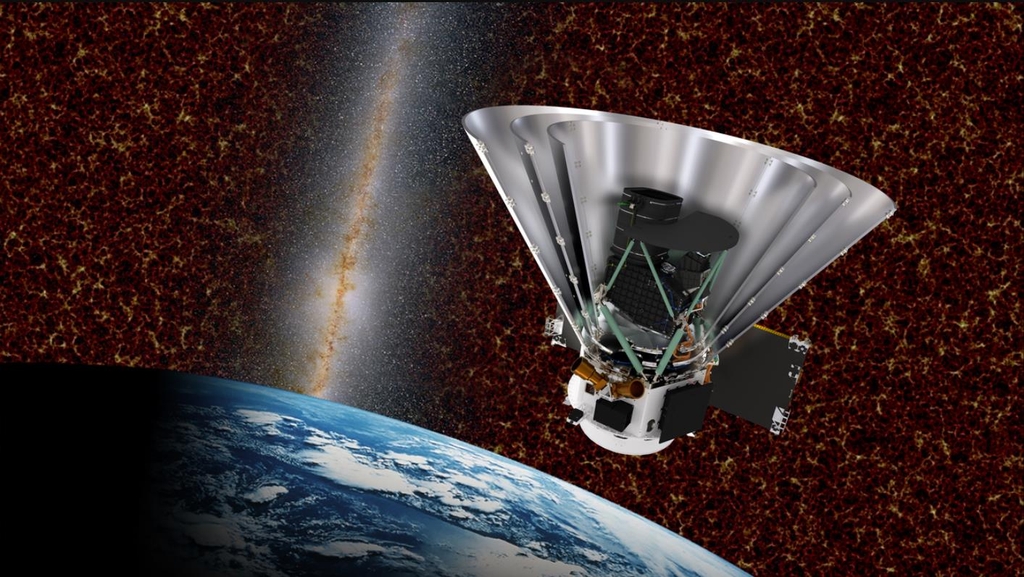
SPHEREx is a space telescope designed to conduct a full-sky survey in the near-infrared spectrum. Unlike other telescopes that focus on specific celestial targets, SPHEREx will systematically map the entire sky every six months, collecting vast amounts of data that will help answer some of the biggest questions in cosmology and planetary science.
Equipped with advanced spectroscopy, SPHEREx will measure the infrared signatures of galaxies, stars, and interstellar material, allowing scientists to study cosmic history in unprecedented detail. The telescope’s ability to detect water ice and organic molecules in planetary nurseries will also shed light on the conditions necessary for life beyond Earth.
Mission Objectives
The SPHEREx mission is designed to achieve several key scientific goals:
1. Unveiling the Origins of the Universe
By analyzing the large-scale structure of galaxies, SPHEREx will help cosmologists investigate how the universe evolved after the Big Bang. It will provide insights into the Epoch of Reionization—the period when the first stars and galaxies illuminated the universe—helping us understand the processes that shaped cosmic evolution.
2. Mapping Water and Organic Molecules
One of the mission’s most exciting prospects is its ability to detect water and organic molecules in interstellar clouds. These elements are the building blocks of life, and their distribution across the galaxy could provide clues about how planetary systems, including our own, formed and evolved.
3. Studying the Formation of Galaxies
SPHEREx will survey millions of galaxies, measuring their redshifts to trace how structures in the universe have formed over billions of years. This data will contribute to understanding dark energy, the mysterious force driving the accelerated expansion of the universe.
How SPHEREx Works
SPHEREx is equipped with a cutting-edge infrared spectrometer capable of detecting faint heat signatures from cosmic objects. Its primary instruments include:
- Wide-Field Infrared Optics – Capturing light in near-infrared wavelengths.
- Spectroscopic Capability – Measuring the unique spectral fingerprints of celestial objects.
- Cryogenic Cooling System – Keeping the instruments at low temperatures to detect faint infrared signals without interference.
By scanning the entire sky every six months, SPHEREx will build a massive dataset, creating the most detailed three-dimensional map of the cosmos ever produced in infrared light.
The Impact of SPHEREx on Space Exploration
Advancing Cosmology and Astrophysics
SPHEREx will provide crucial data to complement other telescopes, such as the James Webb Space Telescope (JWST) and the Nancy Grace Roman Space Telescope. Its all-sky survey will serve as a cosmic roadmap, guiding future missions in their search for habitable planets, distant galaxies, and fundamental cosmic phenomena.
Supporting Future Missions
The data collected by SPHEREx will help astronomers identify promising targets for more detailed studies. Whether it’s identifying exoplanets with potential atmospheres or pinpointing distant supernovae, the mission’s impact will be far-reaching.
Conclusion
As NASA prepares for the launch of SPHEREx, the astronomical community eagerly anticipates the wealth of knowledge it will bring. By mapping the universe in infrared light, SPHEREx will help answer fundamental questions about cosmic origins, the formation of galaxies, and the ingredients necessary for life. This mission is not just a step forward in space exploration—it’s a giant leap toward unlocking the mysteries of the cosmos.
With its powerful capabilities and ambitious objectives, SPHEREx stands as a testament to human curiosity and innovation, bringing us closer than ever to understanding our place in the universe.




No comments:
Post a Comment