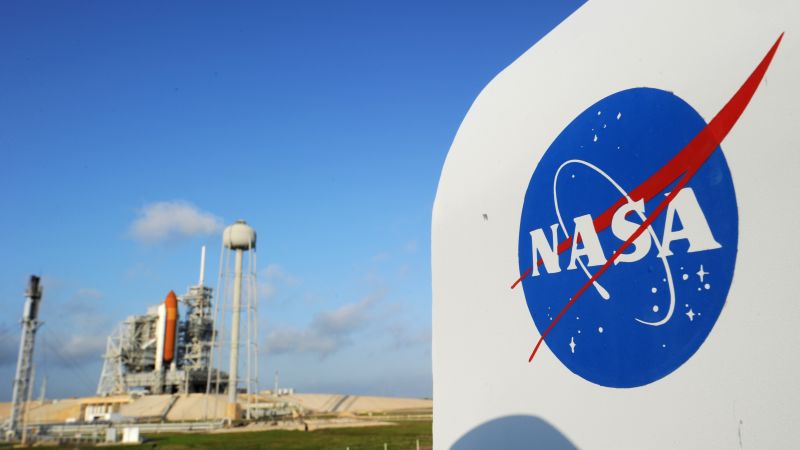
For the 13th consecutive year, NASA has been recognized as the Best Place to Work in the Federal Government among large agencies, achieving an engagement and satisfaction score of 81.6 out of 100 in the 2024 rankings by the Partnership for Public Service. This remarkable achievement underscores NASA's unwavering commitment to fostering a positive work environment that not only attracts top talent but also drives innovation and excellence in space exploration, scientific research, and technological advancement.
The Significance of the Best Places to Work Rankings
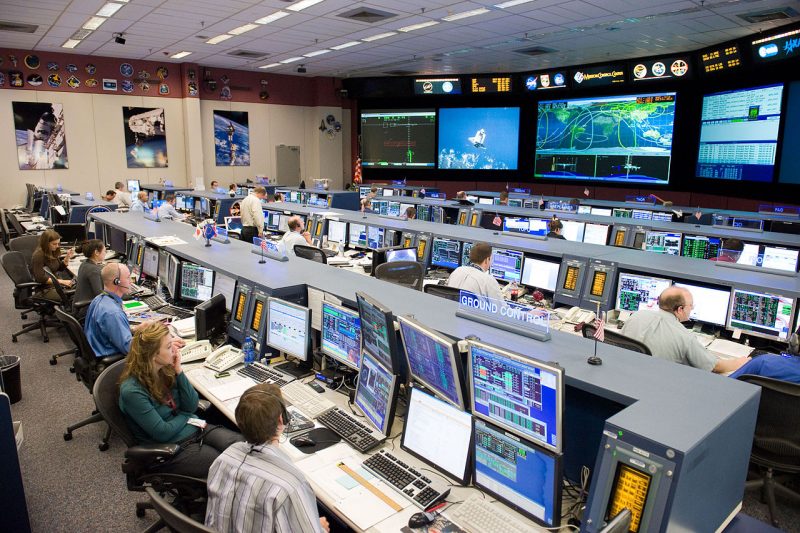
The Best Places to Work in the Federal Government rankings, established by the Partnership for Public Service in 2003, serve as a comprehensive measure of employee engagement and satisfaction across federal agencies. These rankings are derived from responses to the Office of Personnel Management’s annual Federal Employee Viewpoint Survey, which assesses various aspects of the workplace, including leadership effectiveness, work-life balance, and opportunities for professional development. citeturn0search6
A high ranking in this survey is more than just a badge of honor; it reflects an agency's ability to maintain a motivated and committed workforce capable of delivering exceptional public services. In an era where employee engagement is directly linked to organizational performance, agencies that rank highly are better positioned to achieve their missions and serve the public effectively.
NASA's Commitment to Excellence

NASA's consistent top ranking is a testament to its dedication to creating an environment where employees feel valued, empowered, and inspired. Several key factors contribute to this sustained excellence:
-
Mission-Driven Work: NASA's compelling mission to explore the unknown and innovate for the benefit of humanity serves as a powerful motivator for its workforce. Employees are engaged in projects that push the boundaries of science and technology, providing a strong sense of purpose.
-
Leadership and Vision: Effective leadership that communicates a clear vision and supports employee development is crucial. NASA's leaders have cultivated a culture of transparency, collaboration, and recognition, ensuring that employees at all levels are aligned with the agency's goals.
-
Professional Development: Investing in employee growth through continuous learning opportunities, mentorship programs, and challenging assignments keeps the workforce agile and innovative. NASA's commitment to professional development ensures that employees are equipped to tackle complex challenges.
-
Work-Life Balance: Recognizing the importance of work-life balance, NASA offers flexible work arrangements and resources to support employee well-being. This holistic approach to employee satisfaction contributes significantly to overall engagement.
Impact on Recruitment and Retention

Being recognized as the best place to work has a profound impact on NASA's ability to attract and retain top talent. Prospective employees are drawn to organizations with a positive reputation, and current employees are more likely to remain with an employer that values their contributions and well-being. This competitive advantage enables NASA to maintain a diverse and highly skilled workforce, essential for driving innovation in its missions.
Recent Achievements and Their Influence
NASA's workplace culture has directly contributed to several groundbreaking accomplishments:
-
Artemis Program: Aiming to return humans to the Moon, including the first woman and the next man, the Artemis program exemplifies NASA's commitment to exploration and diversity.
-
Mars Perseverance Rover: The successful landing and operation of the Perseverance rover on Mars showcases the agency's technological prowess and dedication to scientific discovery.
-
James Webb Space Telescope: The launch and deployment of this next-generation space telescope highlight NASA's leadership in advancing our understanding of the universe.
These achievements not only fulfill NASA's mission but also reinforce employee pride and engagement, creating a virtuous cycle of success and satisfaction.
The Role of Subcomponents in NASA's Success
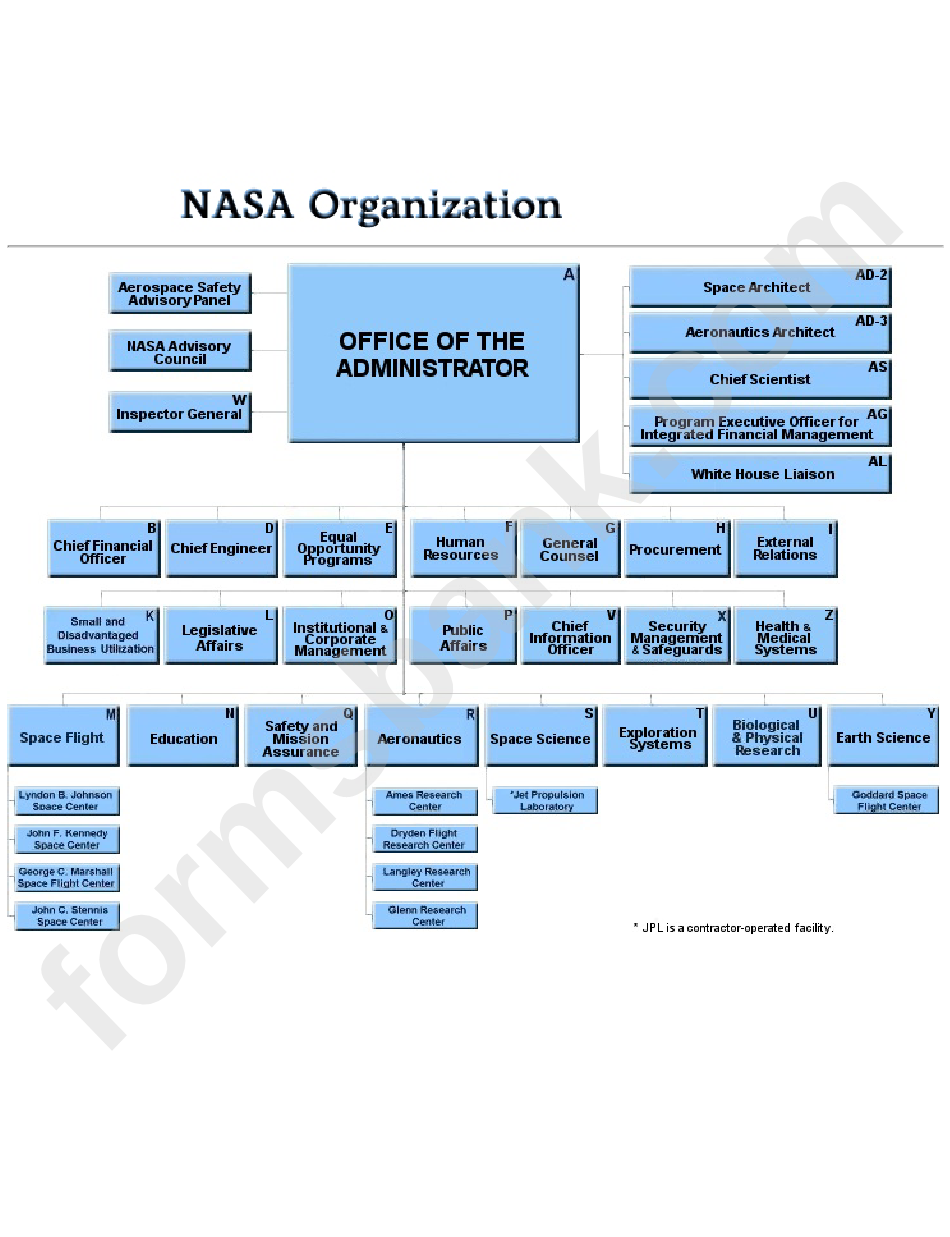
NASA's organizational structure includes various centers and subcomponents that contribute to its overall success. Notably, the Kennedy Space Center and the Johnson Space Center have been recognized for their high engagement and satisfaction scores, reflecting the agency's cohesive culture across different units. citeturn0search6
Looking Ahead: Sustaining Excellence
Maintaining the top position for over a decade requires continuous effort and adaptation. NASA's approach to sustaining excellence includes:
-
Embracing Diversity and Inclusion: Fostering a workplace where diverse perspectives are valued leads to more innovative solutions and a more engaged workforce.
-
Adapting to Technological Advances: Staying at the forefront of technological innovation ensures that employees have the tools and resources needed to excel in their roles.
-
Responding to Employee Feedback: Regularly assessing employee satisfaction and addressing concerns promptly helps maintain a positive work environment.
Conclusion
NASA's recognition as the Best Place to Work in the Federal Government for the 13th consecutive year is a remarkable achievement that highlights the agency's commitment to its employees and its mission. By fostering a culture of excellence, innovation, and inclusivity, NASA not only advances space exploration but also sets a benchmark for other federal agencies striving to enhance employee engagement and satisfaction.



No comments:
Post a Comment