The Space Debris Problem: Analyzing the Growing Concern and Mitigation Strategies

Introduction
The increasing amount of space debris orbiting Earth is becoming a significant challenge for space agencies, satellite operators, and future space missions. With thousands of defunct satellites, spent rocket stages, and smaller fragments crowding Earth's orbit, the risk of collisions and damage to operational spacecraft continues to grow. This article explores the current state of space debris, its implications, and the innovative strategies being developed to mitigate the problem.
The Growing Threat of Space Debris

Space debris, often referred to as "space junk," consists of artificial objects left in orbit without function. This debris is a serious issue due to:
- High-Speed Collisions: Even tiny debris traveling at speeds of up to 28,000 km/h can cause catastrophic damage to satellites and spacecraft.
- Chain Reactions (Kessler Syndrome): A single collision can generate thousands of fragments, leading to a cascading effect that increases the risk of further collisions.
- Threat to Human Spaceflight: The International Space Station (ISS) frequently performs debris avoidance maneuvers to protect astronauts from potential impacts.
- Impact on Future Space Exploration: Accumulated debris can make certain orbital regions unusable for future missions and satellite deployments.
- Economic Consequences: Damaged satellites result in financial losses, service disruptions, and higher insurance costs for commercial space operators.
Sources of Space Debris
Understanding where space debris originates is crucial for developing effective solutions. The main sources include:
- Defunct Satellites: Satellites that have exceeded their operational life but remain in orbit.
- Rocket Stages: Discarded upper stages of launch vehicles left in space after missions.
- Mission-Related Debris: Parts such as bolts, shielding fragments, and fairings released during satellite deployment.
- Fragmentation Events: Explosions or collisions that create thousands of smaller debris pieces, significantly worsening the problem.
- Anti-Satellite (ASAT) Tests: Intentional destruction of satellites, often for military purposes, adds thousands of hazardous fragments to Earth's orbit.
Major Incidents Involving Space Debris
Several notable incidents have highlighted the dangers posed by space debris:
- 2009 Collision: The defunct Russian satellite Cosmos 2251 collided with the operational Iridium 33, generating thousands of fragments.
- 2007 Chinese Anti-Satellite Test: China deliberately destroyed one of its satellites, creating over 3,000 pieces of long-lived debris.
- 2021 Russian ASAT Test: Russia’s destruction of one of its defunct satellites created a debris field that threatened the ISS and other space assets.
- ISS Near-Misses: The International Space Station has had multiple close encounters with debris, requiring precautionary maneuvers and even temporary astronaut sheltering.
- 2023 Close Call: Two large pieces of space junk nearly collided in low Earth orbit, emphasizing the increasing dangers of an overcrowded space environment.
Mitigation Strategies for Space Debris
To combat the growing space junk problem, several strategies are being developed and implemented:
1. Active Debris Removal (ADR)
- Robotic Arms & Harpoons: Technologies like ESA’s e.Deorbit project aim to capture and remove large debris.
- Laser-Based Systems: Ground-based or space-based lasers could be used to deorbit small fragments by altering their trajectories.
- Electromagnetic Tethers: These devices use Earth's magnetic field to generate drag and deorbit defunct satellites.
- Nets and Tethers: Concepts such as space nets have been proposed to ensnare debris and bring it back to Earth's atmosphere for disposal.
- Ion Beam Deflection: Scientists are researching methods to gently push debris into safer orbits using ion beams.
2. Preventative Measures
- Designing Satellites for Controlled Deorbiting: Future satellites are being equipped with propulsion systems to re-enter Earth's atmosphere safely after their missions.
- Reducing On-Orbit Explosions: Improved fuel venting techniques and safer battery management help minimize unintentional spacecraft explosions.
- Using Biodegradable Materials: Research is ongoing into satellite components that can degrade in space over time, reducing long-term debris risks.
- End-of-Life Disposal Policies: Satellite operators are encouraged to move defunct satellites to “graveyard orbits” or actively deorbit them.
3. Space Traffic Management
- Tracking and Monitoring: Organizations like the U.S. Space Surveillance Network (SSN) and European Space Agency (ESA) track space debris to predict and avoid collisions.
- Collision Avoidance Maneuvers: Active satellites adjust their orbits based on tracking data to prevent impacts.
- Automated Collision Prediction Systems: AI and machine learning models are improving collision forecasts to allow better decision-making.
4. International Collaboration and Policy Development
- Global Agreements: Agencies like NASA, ESA, and JAXA are working together to establish best practices for debris mitigation.
- Regulatory Measures: The United Nations and other governing bodies are implementing policies requiring satellite operators to properly dispose of defunct spacecraft.
- Space Sustainability Initiatives: Groups such as the World Economic Forum and Secure World Foundation are advocating for sustainable space policies.
Future Outlook on Space Debris Management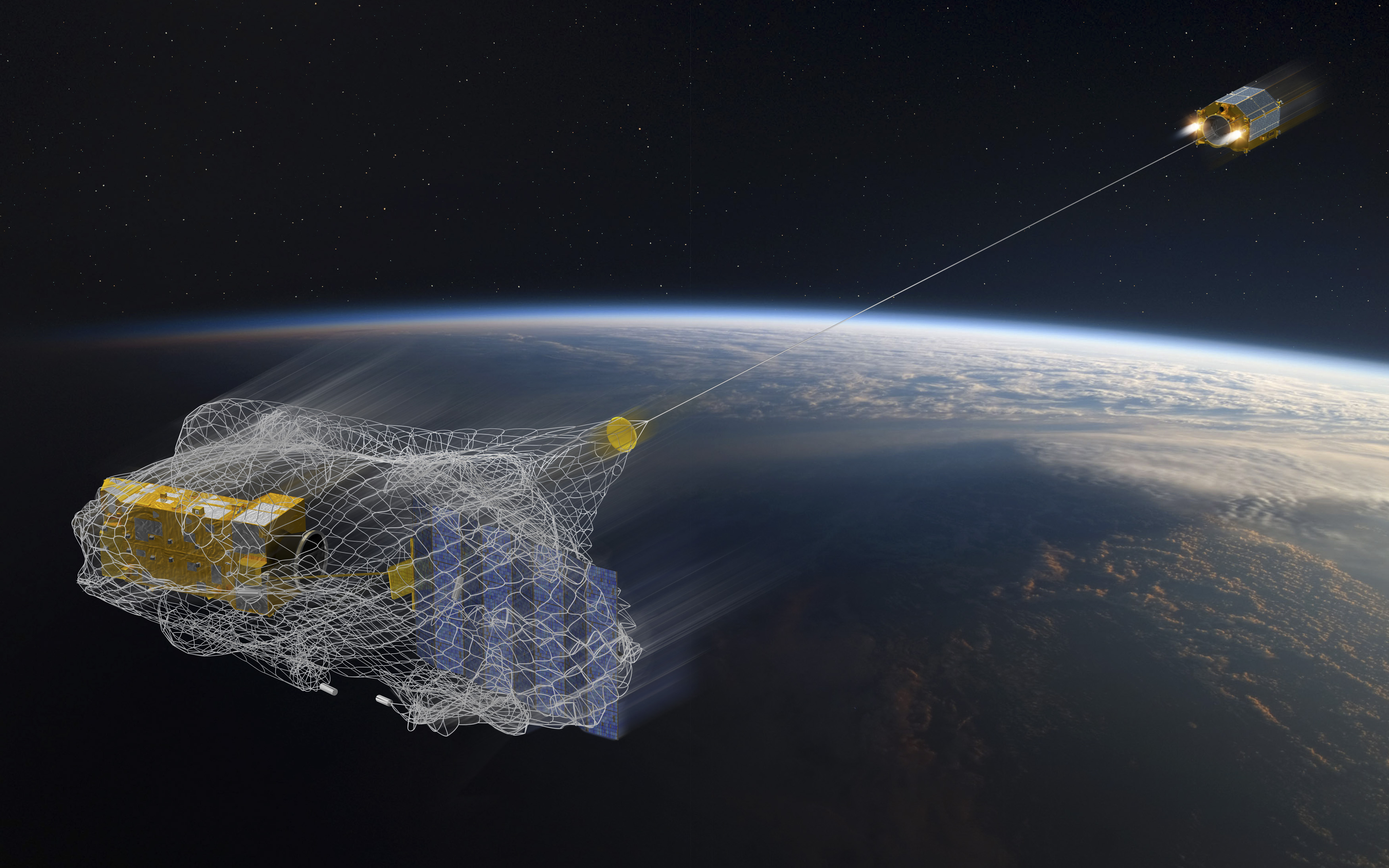
The long-term sustainability of space activities depends on aggressive action to mitigate space debris. Some promising developments include:
- Private Sector Involvement: Companies such as ClearSpace and Astroscale are pioneering commercial debris removal services.
- Reusable Launch Systems: Rockets like SpaceX’s Falcon 9 and Starship are designed to be reusable, reducing the amount of discarded rocket stages.
- International Treaties: Future global agreements may impose stricter requirements on debris mitigation and satellite disposal.
- Space Manufacturing and Recycling: Emerging technologies may allow in-orbit recycling of old satellites, turning space junk into useful resources.
FAQ: Less Common Questions About Space Debris
Q: Can space debris fall back to Earth?
A: Yes, but most debris burns up upon reentry. Larger pieces may survive, but they usually fall into oceans or unpopulated areas.
Q: How long does space debris stay in orbit?
A: It depends on altitude—low Earth orbit debris can reenter within years, while higher-altitude debris may remain for centuries.
Q: Could space debris block future space travel?
A: If left unchecked, excessive debris could make certain orbital regions hazardous, limiting access to space.
Q: Is there an economic impact of space debris?
A: Yes, debris-related damages and avoidance maneuvers increase operational costs for satellite operators, insurers, and governments.
Conclusion
The space debris problem is a growing challenge, but proactive solutions and international cooperation are paving the way for a safer orbital environment. As new technologies and policies emerge, efforts to clean up space and prevent further pollution will be essential for sustaining future space exploration. Addressing this issue today will ensure that future generations can continue to explore and utilize space safely.



No comments:
Post a Comment