Astrobiology: The Search for Life – Exploring Current Missions Seeking Extraterrestrial Life
Introduction
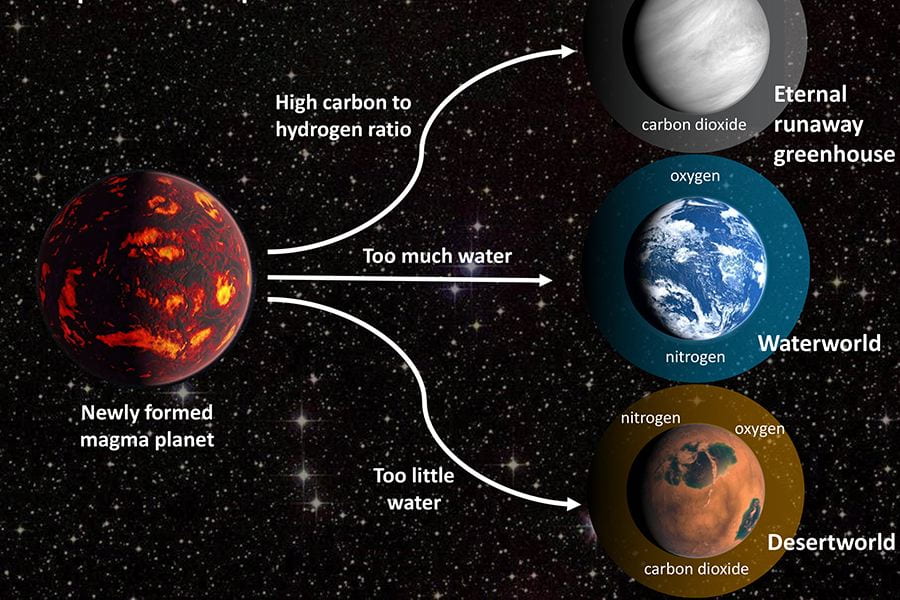
Astrobiology, the study of life in the universe, seeks to answer one of humanity’s most profound questions: Are we alone? Scientists are using cutting-edge technology, planetary exploration, and deep-space telescopes to search for extraterrestrial life. This article explores current and upcoming missions dedicated to finding signs of life beyond Earth, covering Mars, icy moons, exoplanets, and future deep-space exploration.
Mars Missions: The Red Planet’s Habitability
Mars remains a prime target in the search for life due to its history of liquid water and potential for microbial life.
Key Missions:
- Perseverance Rover (NASA, 2021): Searching for biosignatures in ancient lake beds and collecting soil samples for future return missions.
- ExoMars Rosalind Franklin Rover (ESA, 2024): Designed to drill beneath the Martian surface to detect organic molecules and possible microbial life.
- Mars Sample Return (NASA/ESA, 2030s): A mission aiming to bring Mars soil samples back to Earth for detailed analysis.
- Ingenuity Helicopter: Demonstrating aerial mobility for future exploration in thin Martian atmospheres.
Technological Advancements:
- MOXIE Experiment: Demonstrating oxygen production from Martian air, supporting future human missions.
- Raman Spectroscopy: Used to detect biosignatures in rock samples.
- Subsurface Drilling: Essential for accessing protected environments where ancient microbial life may persist.
- AI-Powered Data Analysis: Machine learning assists in identifying promising locations for life detection.
Europa and the Icy Moons of Jupiter
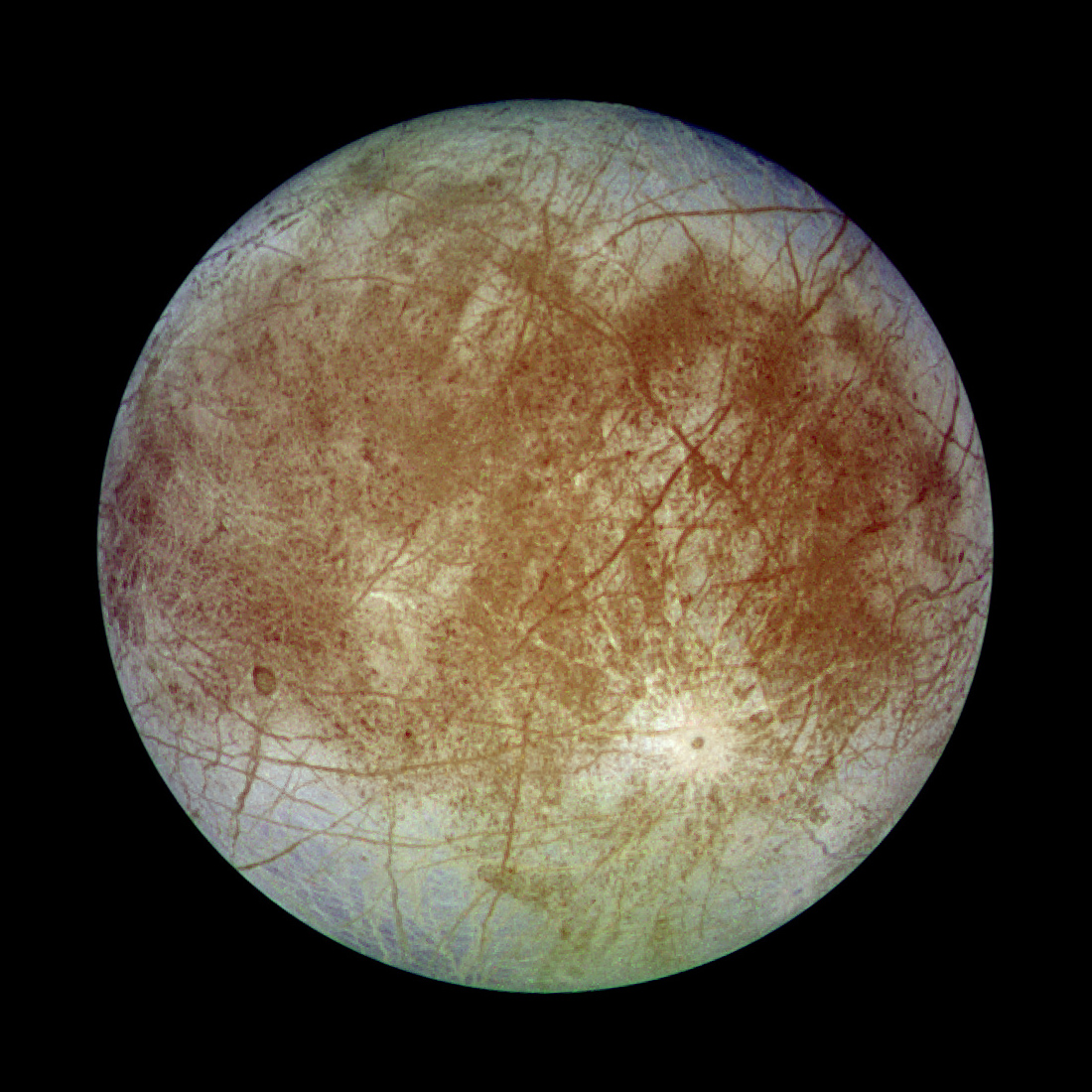
Europa, one of Jupiter’s largest moons, harbors a vast subsurface ocean beneath its icy crust, making it a strong candidate for life.
Key Missions:
- Europa Clipper (NASA, 2030s): Aiming to analyze Europa’s ice shell and search for chemical signatures of life.
- JUICE (ESA, 2023): Studying Jupiter’s icy moons, including Europa, Ganymede, and Callisto, for habitability potential.
- Proposed Europa Lander: A future mission that could drill into the ice to sample subsurface water.
Technological Advancements:
- Ice-Penetrating Radar: Used to determine the thickness of Europa’s ice crust and locate subsurface lakes.
- Spectrometers: Detecting organic compounds and chemical interactions in Europa’s plumes.
- Autonomous Robotic Submarines: Concept studies for exploring Europa’s ocean beneath its icy shell.
Enceladus and Titan: Saturn’s Intriguing Moons
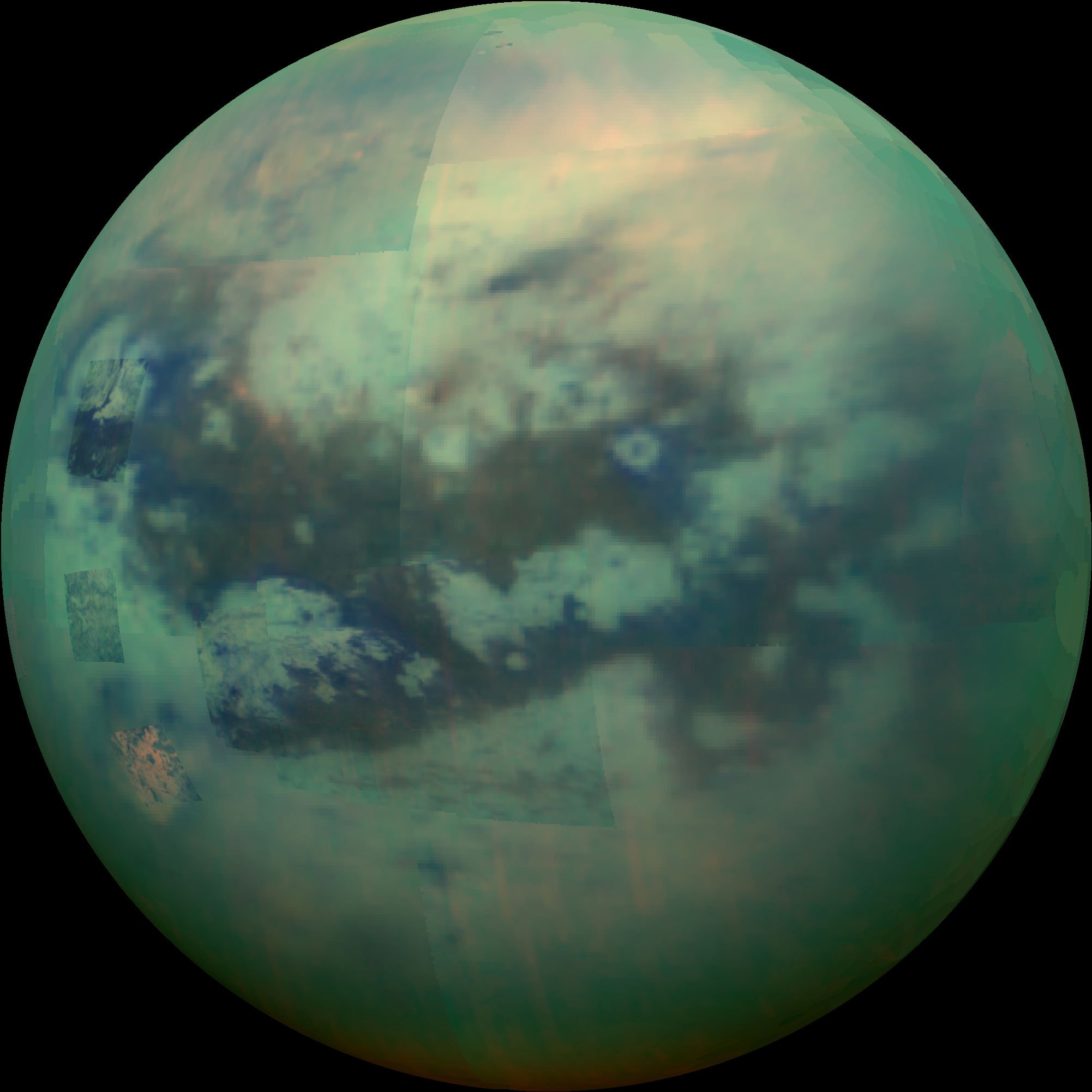
Saturn’s moons Enceladus and Titan also present compelling environments for astrobiology.
Key Missions:
- Dragonfly (NASA, 2027): A drone-like spacecraft designed to explore Titan’s thick atmosphere and organic-rich surface.
- Cassini-Huygens Legacy: Cassini discovered Enceladus’s water plumes, hinting at hydrothermal activity beneath its icy shell.
Technological Advancements:
- Mass Spectrometers: Analyze the composition of Titan’s atmosphere and Enceladus’s plumes.
- Autonomous Flight Systems: Enabling Dragonfly to cover vast distances on Titan.
- Cryovolcanism Studies: Understanding how liquid water and organic molecules interact beneath Enceladus’s surface.
- Laser Spectroscopy: Aiding in identifying complex organic compounds in ice and gas samples.
Exoplanet Exploration: Searching for Biosignatures
Exoplanets, planets beyond our solar system, are key targets in the search for extraterrestrial life.
Key Missions:
- James Webb Space Telescope (JWST, 2021-Present): Studying exoplanet atmospheres for signs of water, methane, and other life-supporting compounds.
- TESS (NASA, 2018-Present): Identifying Earth-like exoplanets in the habitable zone of their stars.
- LUVOIR (Proposed, 2040s): A next-generation telescope capable of directly imaging exoplanets and analyzing their atmospheres.
Technological Advancements:
- Transit Spectroscopy: Observing starlight passing through exoplanet atmospheres to detect gases linked to biological processes.
- Direct Imaging Techniques: Allowing telescopes to capture actual images of exoplanets.
- AI in Data Analysis: Helping scientists analyze massive datasets for potential biosignatures.
- Starshade Technology: Reducing starlight interference for clearer exoplanet imaging.
Future Prospects: Where Do We Go Next?
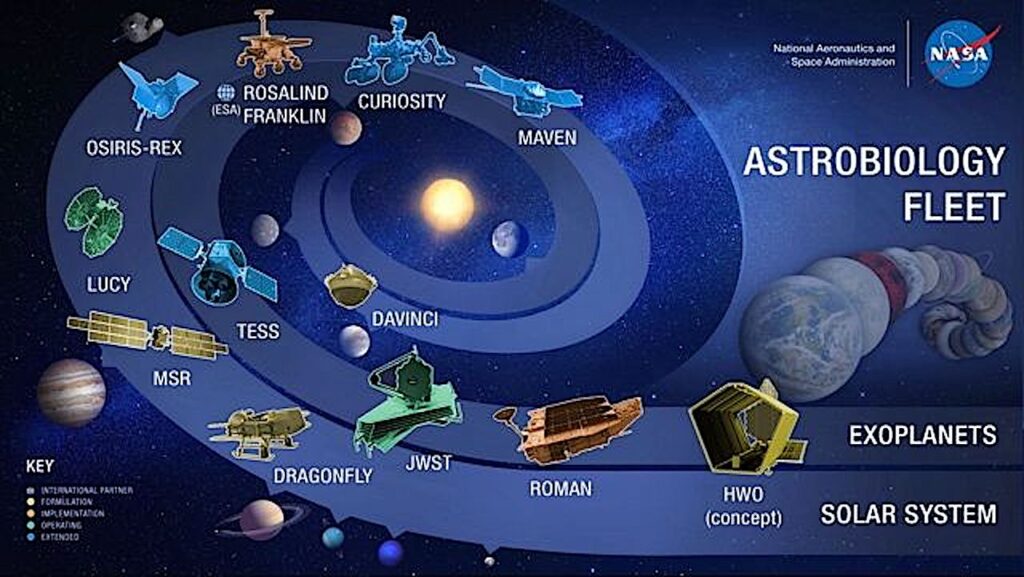
The search for life continues to evolve with new missions and technological innovations.
Upcoming Concepts:
- Breakthrough Starshot: Aiming to send nanoprobes to Alpha Centauri to search for habitable exoplanets.
- Lunar Astrobiology Studies: Examining the Moon as a testbed for future life-detection experiments.
- Interstellar Probes: Studying interstellar objects like ‘Oumuamua for potential extraterrestrial origins.
- Subsurface Ocean Exploration: Developing technology for deep-diving probes on icy moons.
Challenges in the Search for Life:
- False Positives: Many biosignatures can also be produced by non-biological processes.
- Extreme Environments: Adapting technologies to survive and operate in harsh extraterrestrial conditions.
- Ethical Considerations: Ensuring planetary protection and preventing contamination of alien ecosystems.
- Long Travel Times: The vast distances to promising targets require advanced propulsion systems.
FAQ: Less Common Questions About Astrobiology
Q: How do scientists determine if an exoplanet is habitable?
A: They analyze its atmosphere, surface conditions, and location within the habitable zone, where liquid water can exist.
Q: Can microbial life exist in space?
A: Yes, extremophiles on Earth survive in extreme conditions similar to those found on Mars and Europa, suggesting life could exist elsewhere.
Q: What is the most promising location for finding life?
A: Europa and Enceladus, due to their subsurface oceans, and exoplanets with Earth-like atmospheres.
Conclusion
Astrobiology is entering an exciting era, with missions to Mars, Europa, and exoplanets revolutionizing our understanding of life beyond Earth. As technology advances, the search for extraterrestrial life is more promising than ever.



No comments:
Post a Comment