Private Space Companies to Watch: Emerging Innovators in the Space Industry
Introduction
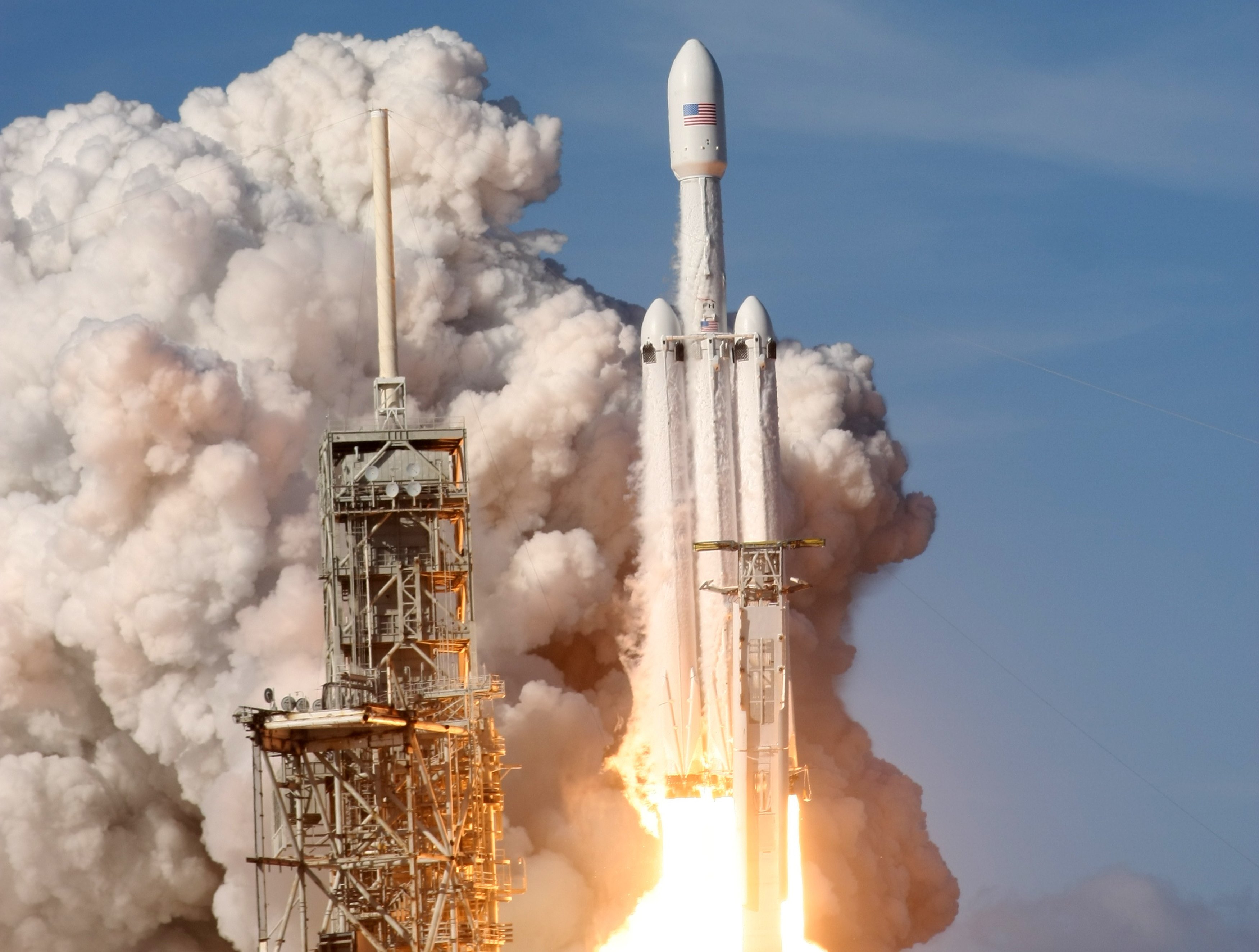
The space industry is no longer solely dominated by government agencies like NASA and Roscosmos. In recent years, private space companies have revolutionized space travel, satellite deployment, and deep-space exploration. Companies such as SpaceX, Blue Origin, Rocket Lab, and others are leading a new era of commercial spaceflight, making it more accessible, efficient, and sustainable. With increased investments and technological advancements, the commercial space sector is growing at an unprecedented rate, offering new opportunities for exploration, research, and tourism.
This blog post explores the most promising private space companies, their missions, and the cutting-edge technologies they are pioneering. Whether it's launching satellites, taking humans to space, or preparing for interplanetary missions, these companies are shaping the future of space exploration.
1. SpaceX: The Leader in Reusable Rockets
Overview:
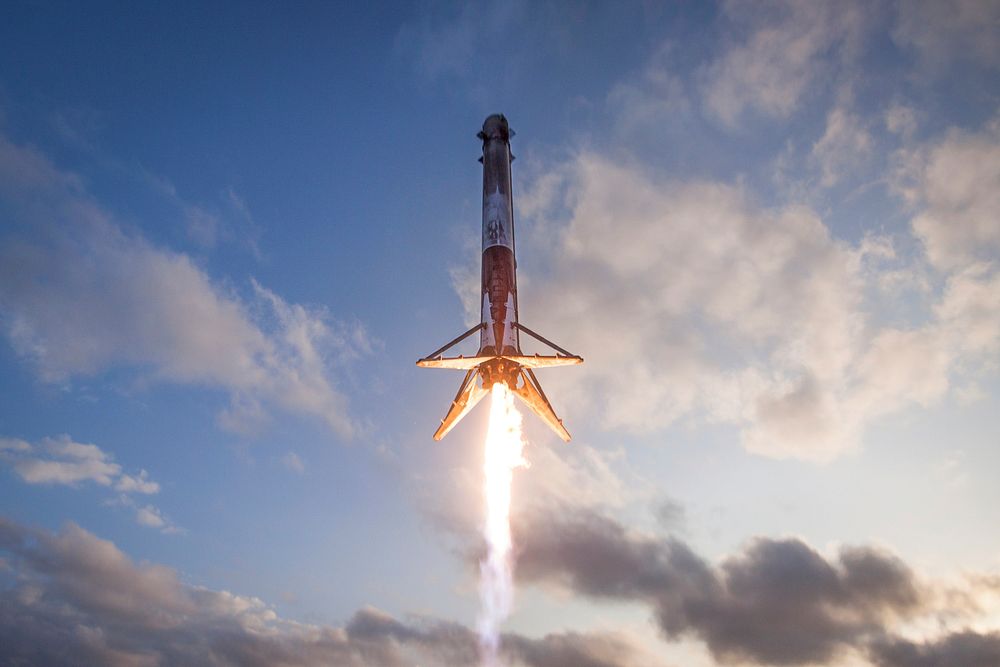
Founded by Elon Musk in 2002, SpaceX has transformed the space industry with its ambitious vision of making space travel more affordable and eventually colonizing Mars. The company is best known for its innovation in reusable rockets, significantly reducing launch costs and making frequent space travel a reality.
Key Achievements:
- Falcon 9 & Falcon Heavy: The first partially reusable orbital-class rockets, drastically reducing the cost of launching payloads into space.
- Dragon Spacecraft: A spacecraft capable of carrying cargo and crew to the International Space Station (ISS), proving the reliability of private space travel.
- Starship Program: A fully reusable, next-generation spacecraft designed for interplanetary missions, including Moon and Mars exploration.
- Starlink: A satellite constellation aiming to provide global broadband coverage, helping bridge the digital divide worldwide.
Future Plans:
- Starship’s first crewed test flights as part of NASA’s Artemis program.
- Expanding Starlink services to offer affordable internet to remote and underserved areas.
- Mars Colonization Efforts: Testing long-duration Starship missions to pave the way for a self-sustaining city on Mars.
2. Blue Origin: Jeff Bezos’ Vision for Space Tourism
Overview:
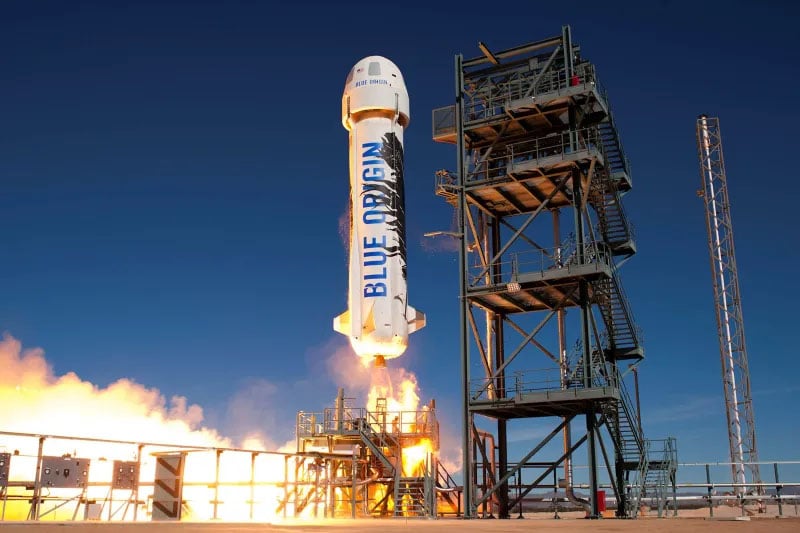
Founded by Jeff Bezos in 2000, Blue Origin aims to build a sustainable human presence in space. The company focuses on developing reusable launch vehicles and promoting space tourism as a long-term commercial enterprise.
Key Achievements:
- New Shepard: A fully reusable suborbital rocket designed for space tourism and scientific research missions.
- BE-4 Rocket Engine: A powerful engine developed for future space exploration and commercial launches, including ULA’s Vulcan rocket.
- Orbital Reef: A proposed commercial space station in partnership with Sierra Space, set to be a multi-purpose platform for research and tourism.
Future Plans:
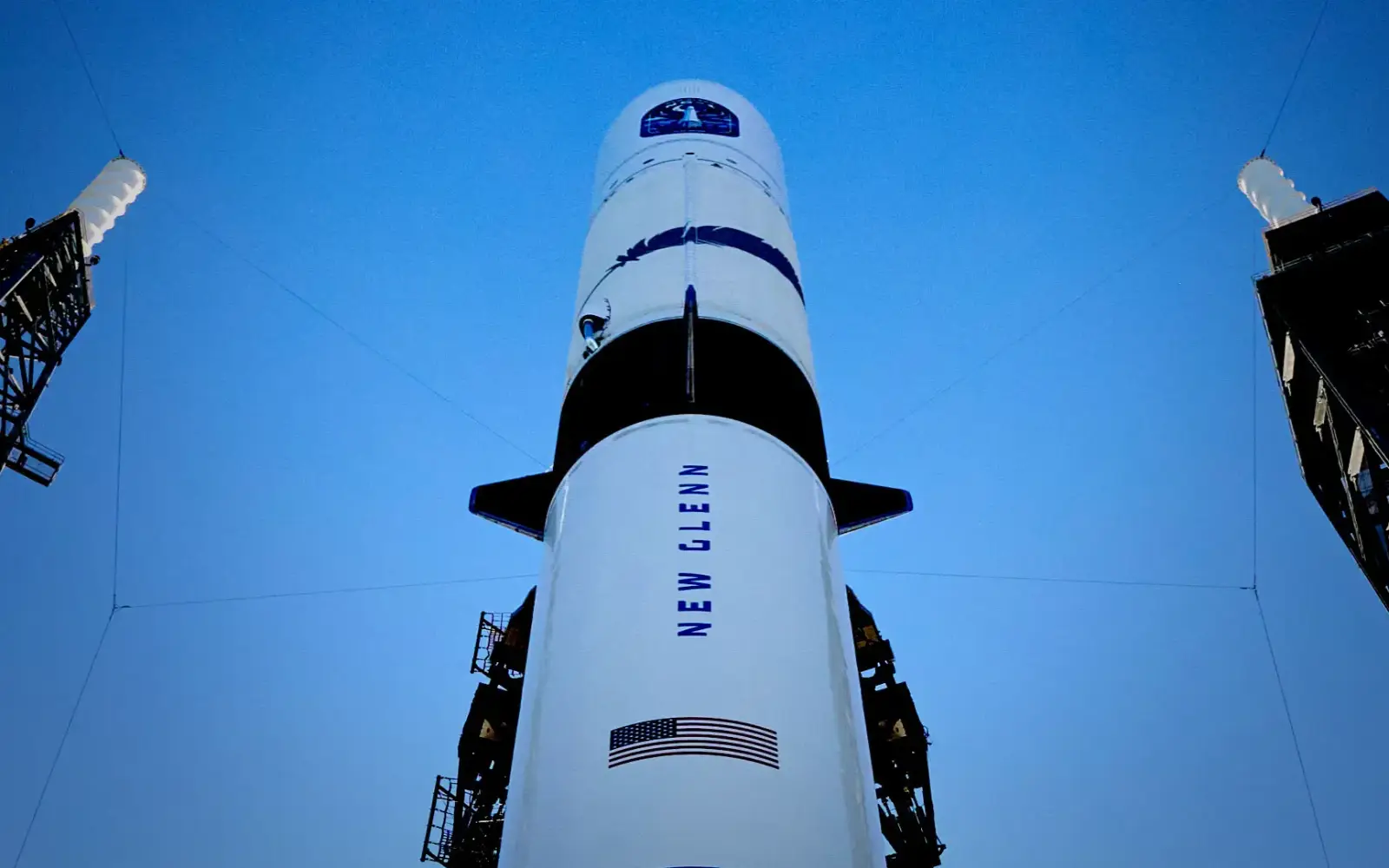
- New Glenn: A heavy-lift orbital rocket that will compete with SpaceX’s Falcon Heavy.
- Expanding space tourism opportunities, making suborbital flights more affordable and frequent.
- Developing the Blue Moon lander to assist NASA’s Artemis program in returning humans to the Moon.
3. Rocket Lab: Revolutionizing Small Satellite Launches

Overview:
Rocket Lab, founded by Peter Beck in 2006, specializes in small satellite launches, making access to space more affordable and frequent.
Key Achievements:
- Electron Rocket: A small-lift launch vehicle designed to deploy CubeSats and small satellites efficiently.
- Photon Satellite Platform: An advanced spacecraft designed for deep-space missions, including upcoming lunar and interplanetary explorations.
- Rocket Reusability: Development of a reusable first-stage booster, significantly reducing launch costs for small payload missions.
Future Plans:
- Neutron Rocket: A medium-lift launch vehicle designed for human spaceflight and satellite megaconstellations.
- Expanding deep-space missions, utilizing the Photon platform for lunar and interplanetary exploration.
4. Relativity Space: 3D Printing the Future of Rockets
Overview:
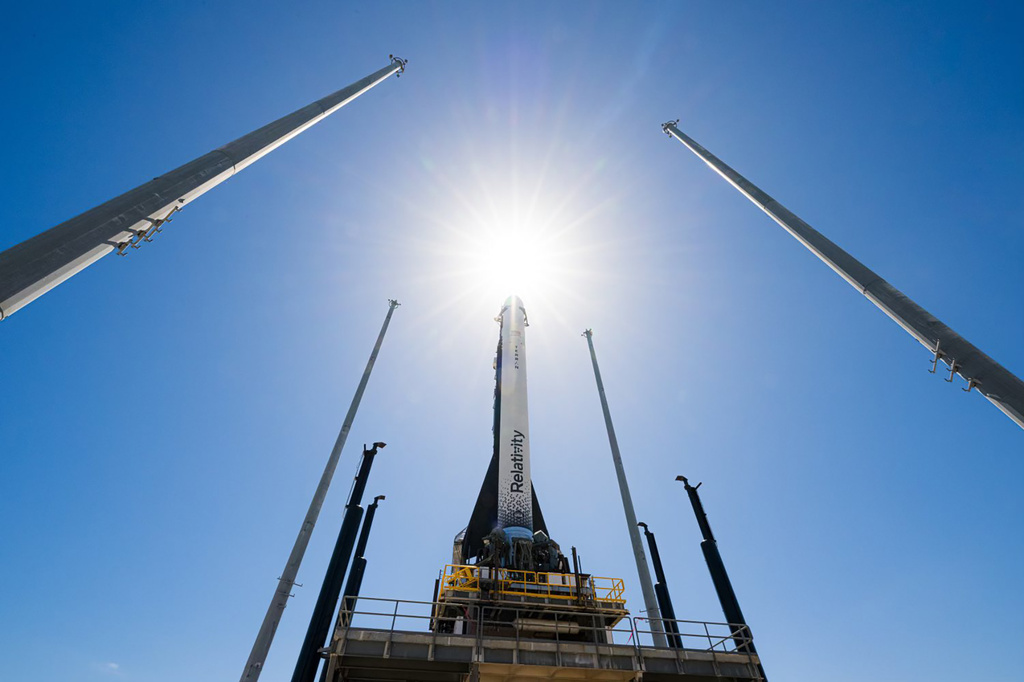
Founded in 2015, Relativity Space aims to disrupt traditional rocket manufacturing by using fully 3D-printed rockets, reducing production time and costs.
Key Achievements:
- Terran 1: The first 3D-printed rocket, optimized for launching small payloads.
- Terran R: A fully reusable, next-generation rocket designed to compete with SpaceX’s Falcon 9.
Future Plans:
- Launching Terran R, which will be one of the largest 3D-printed rockets.
- Expanding on-space manufacturing capabilities, potentially constructing future habitats and spacecraft using 3D-printing technology.
5. Virgin Galactic & Virgin Orbit: Pioneering Space Tourism & Air-Launched Rockets
Overview:
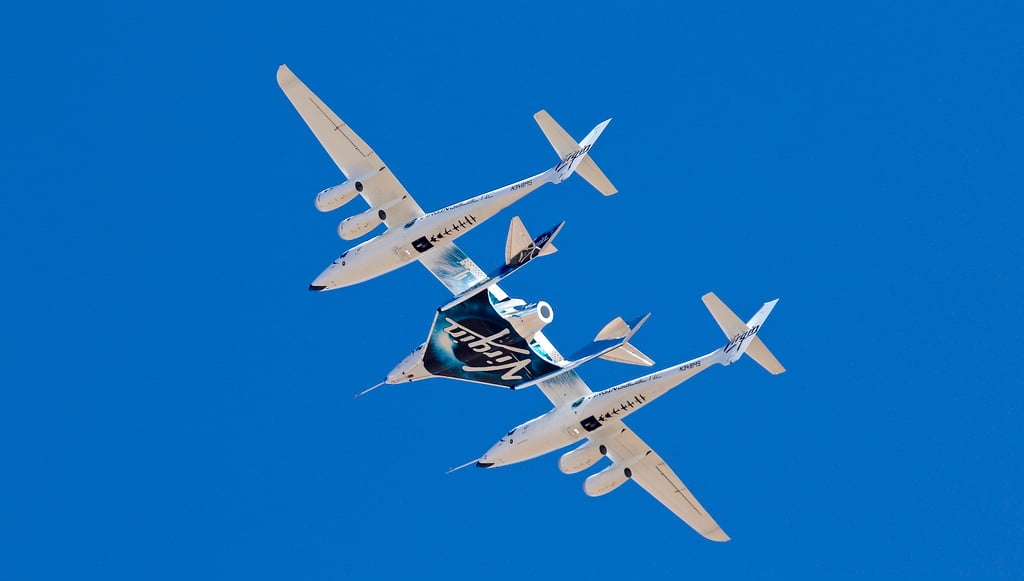
Richard Branson’s Virgin Galactic and Virgin Orbit focus on commercial spaceflight and small satellite launches, respectively.
Key Achievements:
- VSS Unity: A suborbital spaceplane offering commercial space tourism experiences.
- LauncherOne: An innovative air-launched rocket designed to deploy small satellites more efficiently.
Future Plans:
- Expanding space tourism services, with frequent commercial flights for paying customers.
- Increasing small satellite deployment, using LauncherOne to provide cost-effective launch solutions.
6. Sierra Space: Advancing Space Habitats

Overview:
Sierra Space is best known for developing next-generation space habitats and cargo spacecraft for NASA and commercial partners.
Key Achievements:
- Dream Chaser: A reusable spaceplane designed for cargo and, in the future, crewed missions to the ISS.
- LIFE Habitat: A proposed expandable space station module for long-term habitation.
Future Plans:
- Supporting NASA’s Artemis program with cargo deliveries and potential crewed missions.
- Developing a commercial space station to accommodate future space tourists and researchers.
The Future of Private Spaceflight
With advancements in reusable rockets, satellite constellations, space tourism, and deep-space exploration, private space companies are reshaping the industry. The competition between companies like SpaceX, Blue Origin, and Rocket Lab fuels rapid innovation, making space travel more accessible and sustainable than ever before.
As commercial spaceflight evolves, we can expect more ambitious missions, including lunar bases, Mars settlements, asteroid mining, and even interstellar exploration. The era of space commercialization has only just begun, and these companies are at the forefront of a future where space is within humanity’s reach.
FAQ: Less Common Questions About Private Space Companies
Q: Which private space company is closest to landing on Mars?
A: SpaceX, with its Starship program, is leading the race to Mars, aiming for a crewed mission within the next decade.
Q: Are private space companies working with NASA?
A: Yes, companies like SpaceX, Blue Origin, and Sierra Space actively collaborate with NASA for lunar and ISS missions.
Q: How much does space tourism cost?
A: A ticket with Blue Origin or Virgin Galactic ranges between $250,000 and $500,000 per person.
Conclusion
Private space companies are revolutionizing space travel, making it more affordable, efficient, and sustainable. As competition grows, we can expect faster innovation, lower costs, and groundbreaking missions that push humanity deeper into space.



No comments:
Post a Comment