The Science of Black Holes: Unraveling Their Mysteries
Introduction
Black holes have fascinated scientists and the public alike for decades. These enigmatic cosmic entities, with gravitational forces so strong that nothing—not even light—can escape, challenge our understanding of physics and space-time. Recent research has provided groundbreaking insights into their behavior, structure, and even their role in shaping the universe. In this article, we’ll explore the latest discoveries about black holes and what they reveal about the nature of our cosmos.
What Are Black Holes?
A black hole is formed when a massive star collapses under its own gravity, creating a region in space where the gravitational pull is immense. The key components of a black hole include:
- The Event Horizon – The boundary beyond which nothing can escape.
- The Singularity – A point of infinite density at the black hole’s core.
- The Accretion Disk – A swirling disk of gas and matter pulled toward the black hole.
Recent Discoveries and Research on Black Holes
🔭 1. The First Image of a Black Hole (Event Horizon Telescope - EHT)
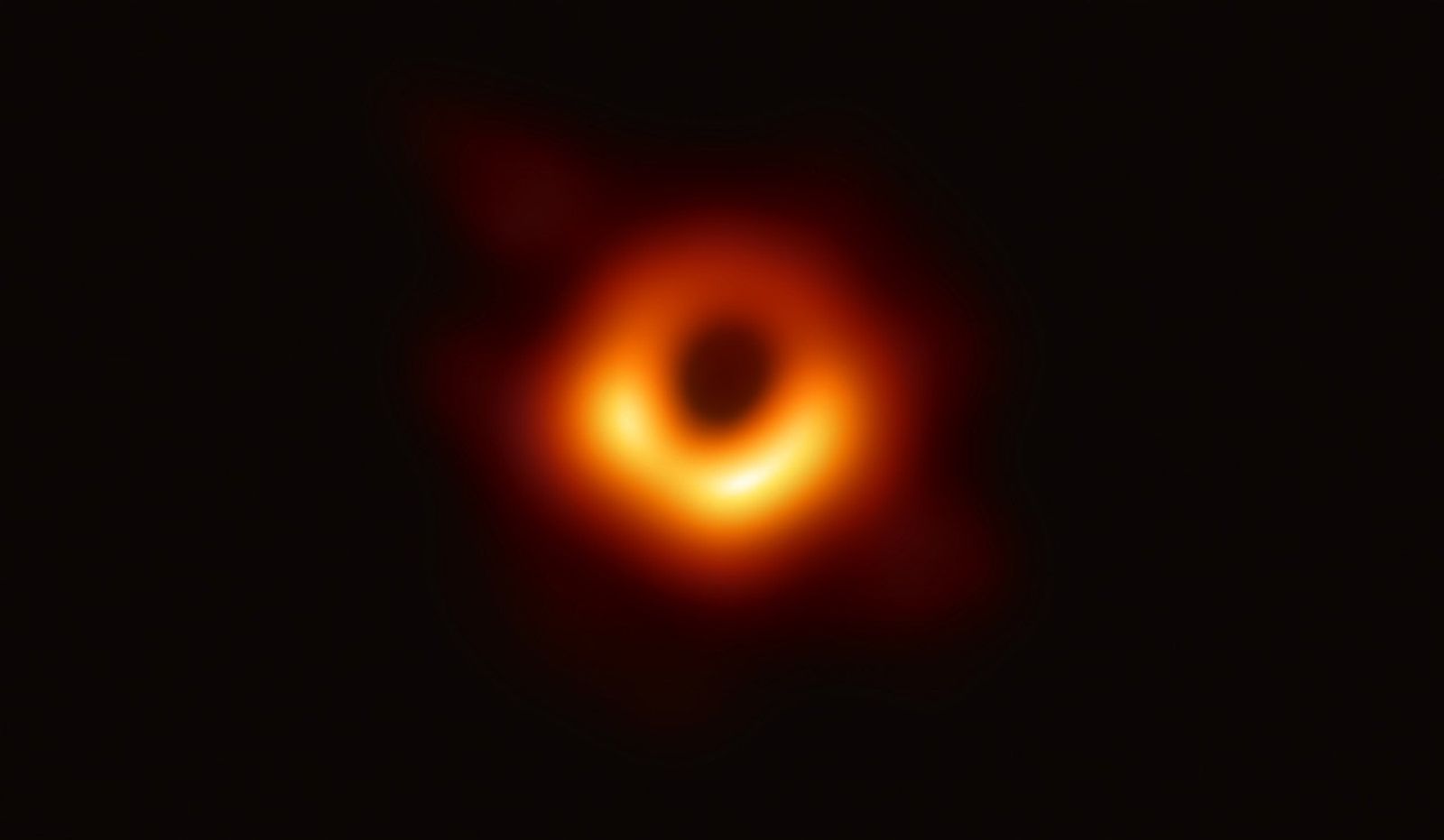
In 2019, the world saw the first-ever image of a black hole, captured by the Event Horizon Telescope (EHT). This image of the supermassive black hole in the galaxy M87 confirmed Einstein’s theory of general relativity and provided unprecedented insight into how black holes bend light.
📌 Latest Update (2024): Scientists have refined the black hole image using artificial intelligence, revealing more details about its structure and plasma jets.
🌌 2. The Discovery of "Wobbling" Black Holes
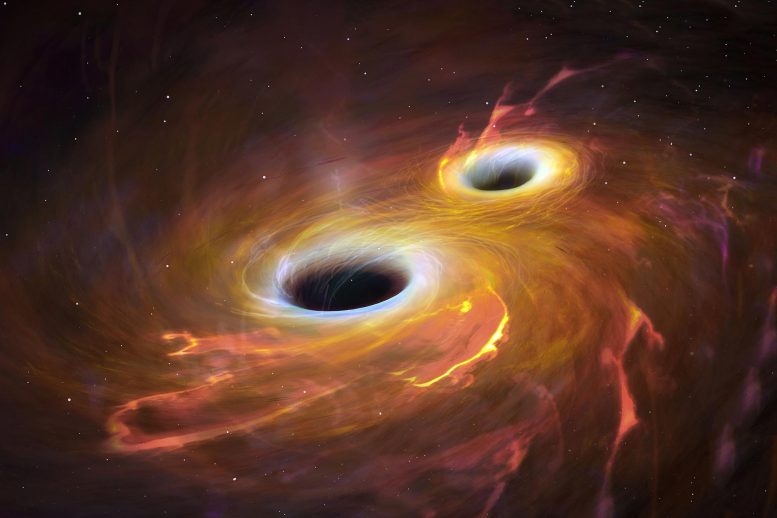
A recent study has shown that some black holes “wobble” or precess, much like a spinning top. This discovery, observed in binary systems, suggests that black holes can have misaligned spins, impacting how they merge with others.
💡 3. Hawking Radiation: Can Black Holes Evaporate?
Stephen Hawking’s famous theory proposed that black holes emit radiation—now known as Hawking radiation—which could eventually lead to their evaporation. New theoretical studies suggest that under certain conditions, small black holes might lose mass faster than previously thought.
🌠 4. The Role of Black Holes in Galaxy Formation

Supermassive black holes, found at the centers of galaxies, influence star formation and galactic evolution. Recent James Webb Space Telescope (JWST) observations suggest that black holes might have existed much earlier in the universe than expected, reshaping our understanding of cosmic history.
🕳️ 5. Are There Wormholes in Black Holes?
Some physicists theorize that black holes could be linked to wormholes, hypothetical tunnels in space-time that might allow travel across vast distances. While there’s no direct evidence yet, new models of quantum gravity are exploring the possibility.
The Future of Black Hole Research
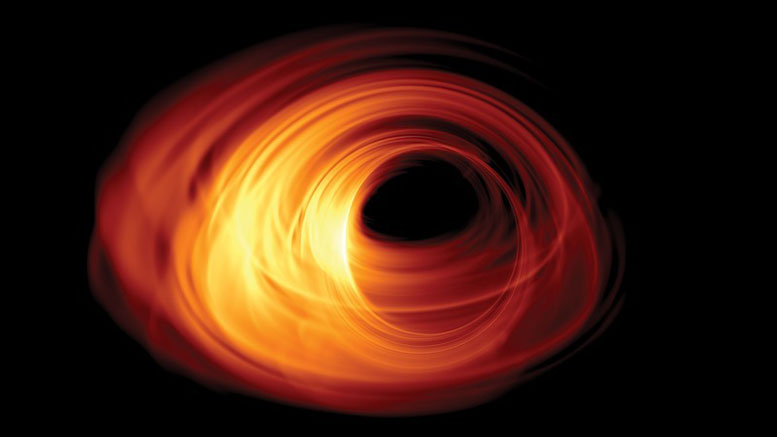
With advancements in space telescopes, AI-driven image analysis, and gravitational wave detectors like LIGO and Virgo, black hole research is advancing rapidly. Future missions, including the European Space Agency’s LISA (Laser Interferometer Space Antenna), aim to study black hole mergers in even greater detail.
Conclusion
Black holes remain one of the most mysterious and exciting frontiers in astrophysics. Each new discovery brings us closer to understanding the fundamental nature of space, time, and gravity. As research continues, we may unlock secrets that reshape our understanding of the universe itself.
🔭 What do you think is the biggest mystery about black holes? Let us know in the comments!



No comments:
Post a Comment