Space Tourism: What’s Next? Exploring the Future of Space Travel for Non-Astronauts
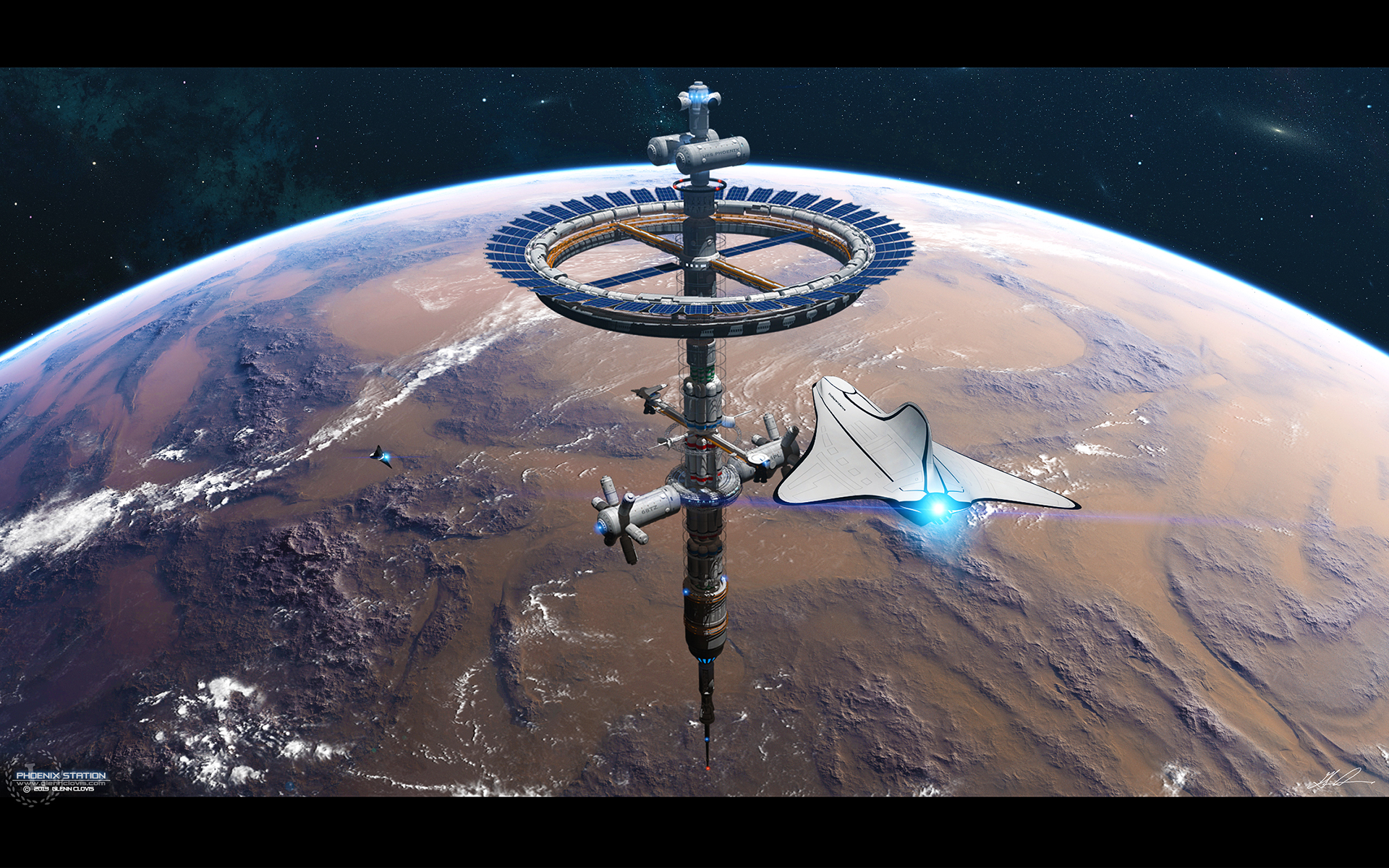
The dream of venturing beyond Earth is no longer limited to astronauts. With rapid advancements in commercial spaceflight, space tourism is becoming an exciting reality. Companies like SpaceX, Blue Origin, and Virgin Galactic are pioneering this industry, promising thrilling experiences for civilians. But what does the future hold for space tourism? This article explores the latest developments, upcoming trends, challenges, and the long-term vision for non-professional space travelers.
The Rise of Commercial Space Travel
Space tourism has transitioned from science fiction to reality, thanks to the efforts of various private and governmental organizations. Here’s how the industry is evolving:
- Suborbital Flights: Companies like Virgin Galactic and Blue Origin offer brief trips beyond the Kármán line (100 km above Earth), allowing passengers to experience a few minutes of weightlessness and see the curvature of the Earth before returning.
- Orbital Experiences: SpaceX’s Crew Dragon has successfully taken private passengers into orbit, offering multi-day space experiences similar to those of professional astronauts aboard the International Space Station (ISS).
- Luxury Space Hotels: Future projects by Axiom Space and Orion Span are working on commercial space habitats that could accommodate tourists for extended stays in microgravity.
- Deep Space Tourism: Ambitious programs, such as SpaceX’s proposed lunar tourism missions, could see civilians orbiting the Moon and eventually stepping onto its surface.
These developments are making space travel increasingly accessible to non-professionals, paving the way for a new era of exploration.
Key Innovations in Space Tourism
To make space tourism safer, more comfortable, and cost-effective, several technological breakthroughs are driving progress:
- Reusable Rockets: Innovations like SpaceX’s Falcon 9 and Blue Origin’s New Shepard have drastically reduced launch costs by allowing rockets to be reused multiple times.
- Spacecraft Design: Capsules such as SpaceX’s Dragon and Boeing’s Starliner prioritize passenger safety, comfort, and automation, minimizing the need for extensive astronaut training.
- AI-Assisted Navigation: Machine learning algorithms and AI-driven autopilot systems enable smoother spaceflight operations, reducing reliance on manual piloting.
- Zero-Gravity Training: Future space tourists undergo centrifuge training, parabolic flights, and underwater simulations to prepare for the effects of microgravity.
- Radiation Protection: Researchers are developing improved shielding materials and potential magnetic field generators to protect space travelers from cosmic radiation exposure.
These innovations are instrumental in making commercial space travel a sustainable industry.
Challenges Facing Space Tourism
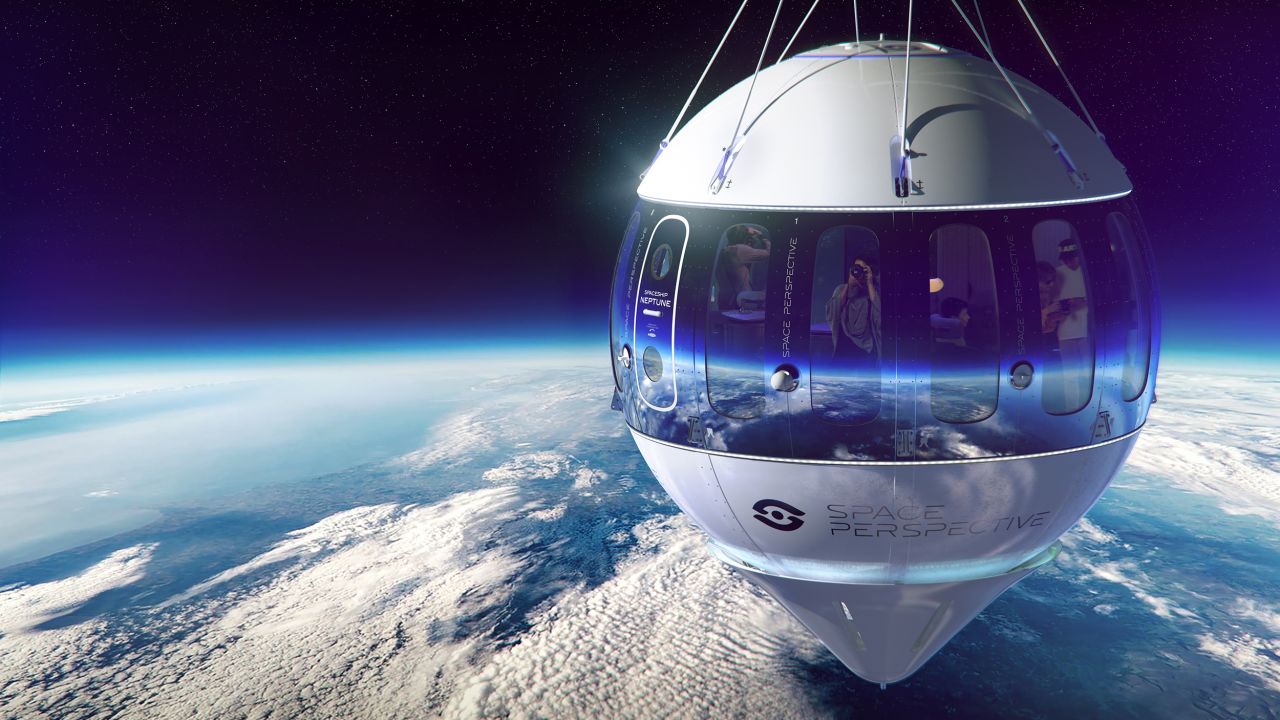
Despite its exciting prospects, space tourism faces several significant obstacles that must be addressed before it becomes widely accessible:
- High Costs: Current ticket prices range from $250,000 for suborbital flights to tens of millions for orbital stays, limiting participation to ultra-wealthy individuals.
- Health Risks: Exposure to microgravity for extended periods can lead to muscle atrophy, bone density loss, and fluid shifts in the body. Scientists are working on countermeasures such as artificial gravity and enhanced exercise routines.
- Environmental Impact: Rocket launches contribute to carbon emissions and atmospheric pollution, prompting research into alternative propulsion methods, such as green hydrogen and electric propulsion.
- Regulatory Framework: Governments and space agencies are working on creating safety regulations, insurance policies, and liability laws to oversee commercial space travel.
- Space Debris: The increasing number of spaceflights raises concerns about space debris, leading to the development of active debris removal technologies and sustainable space travel strategies.
Solving these challenges is crucial to making space tourism more practical and sustainable for future generations.
Future Prospects: What’s Next?
Looking ahead, space tourism is expected to evolve into a fully-fledged industry with a range of new possibilities:
- Moon Tourism: NASA’s Artemis program and SpaceX’s Starship missions aim to establish human presence on the Moon, with potential lunar tourism operations emerging in the next decade.
- Mars Expeditions: Elon Musk’s vision of making humanity a multi-planetary species could lead to initial crewed missions to Mars, eventually allowing highly trained tourists to experience interplanetary travel.
- Commercial Space Stations: Private companies like Axiom Space plan to develop space hotels and research outposts, providing unique experiences ranging from scientific research to entertainment and leisure.
- Space Activities & Sports: Future zero-gravity experiences may include recreational activities like space racing, floating basketball, and spacewalking for trained tourists.
- Space-Based Luxury Experiences: High-end space tourism companies may offer private orbital vacations, fine dining in microgravity, and artistic performances in space.
These advancements will make space travel more diverse and immersive, potentially opening up entirely new sectors within the tourism industry.
FAQ: Less Common Questions About Space Tourism
Q: How does space tourism impact scientific research?
A: Private space travel provides additional funding for scientific studies, enabling experiments in microgravity that benefit fields like medicine, materials science, and climate research.
Q: Will space tourism become affordable in the near future?
A: As competition increases and technology improves, the cost of space travel is expected to decrease, similar to how commercial aviation evolved from a luxury to an accessible form of transportation.
Q: What training do space tourists undergo?
A: Tourists receive pre-flight training, including zero-gravity simulations, emergency preparedness, and physical fitness assessments, ensuring their safety and comfort during space missions.
Q: What kind of legal regulations apply to space tourism?
A: Space tourism is governed by international treaties such as the Outer Space Treaty, along with evolving national regulations concerning passenger safety, liability, and space traffic management.
Conclusion
Space tourism is no longer a distant dream—it is happening now, with ambitious plans shaping the industry’s future. As technology advances and costs decrease, more people will have the opportunity to experience the wonders of space. With ongoing developments in spacecraft, space habitats, and interplanetary travel, the prospect of ordinary individuals exploring the cosmos is closer than ever.



No comments:
Post a Comment