Space Tourism 101: Who Can Actually Afford to Go to Space?
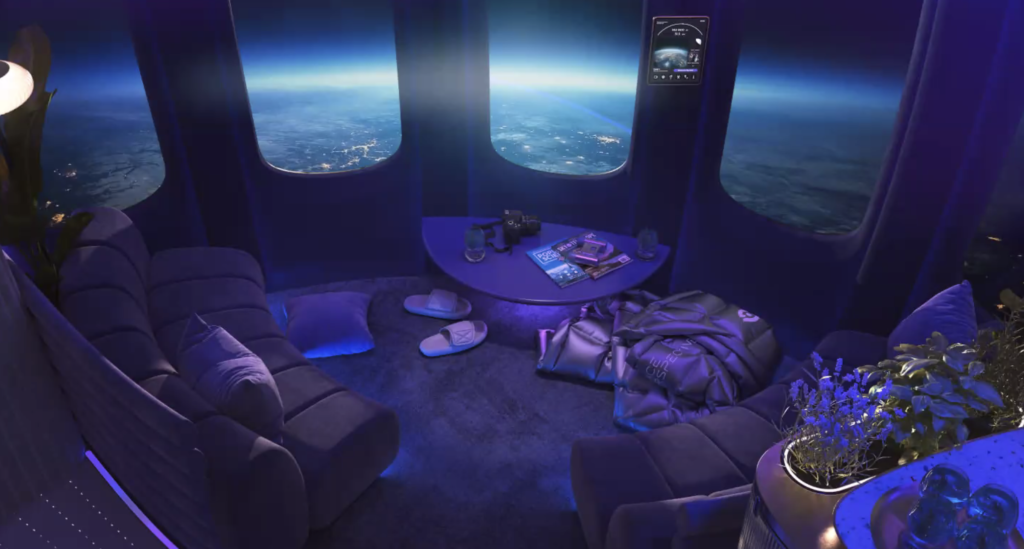 |
| Credit : MGA Travel |
🚀 Introduction
Space — the final frontier, once reserved for astronauts, scientists, and the pages of sci-fi novels — is now becoming a playground for the ultra-wealthy. With companies like Blue Origin, Virgin Galactic, and SpaceX leading the charge, space tourism is no longer a distant dream. But as the countdown begins for this new era of adventure, one question burns brighter than a rocket launch:
Who can actually afford to go to space?
Let’s unpack the dollars, drama, and dreams behind the modern space race — and whether a seat among the stars will ever be within reach for everyday Earthlings.
🧭 What Is Space Tourism?
Space tourism refers to commercial space travel for recreational, leisure, or business purposes. Unlike professional astronauts who train for years and embark on scientific missions, space tourists are (usually) civilians paying big bucks for a few minutes — or days — beyond Earth’s atmosphere.
There are two main types of space tourism:
-
Suborbital flights: Passengers briefly cross the Kármán line (about 100 km up), experiencing a few minutes of weightlessness before returning.
-
Orbital flights: Travelers circle the Earth for extended periods, often aboard the International Space Station (ISS) or a commercial capsule.
💸 How Much Does It Cost?
Here’s a breakdown of what you can expect to pay if you're dreaming of your own space selfie:
1. Blue Origin (New Shepard)
-
Flight Type: Suborbital
-
Reported Cost: ~$200,000 – $500,000
-
Flight Time: ~11 minutes
-
Experience: Brief weightlessness, stunning Earth views
2. Virgin Galactic (VSS Unity)
-
Flight Type: Suborbital
-
Ticket Price: $450,000
-
Flight Time: ~90 minutes (including prep)
-
Experience: Weightlessness, pilot-led journey, training
3. SpaceX (Crew Dragon – Inspiration4, Axiom Missions)
-
Flight Type: Orbital
-
Reported Cost: $55 million+ per passenger
-
Flight Duration: Several days to over a week
-
Experience: ISS docking, full astronaut-style mission
🧑🚀 Who’s Going to Space Right Now?
The early adopters of space tourism are a very exclusive club, including:
-
Billionaires: Jeff Bezos, Richard Branson, Yusaku Maezawa
-
Celebrities: William Shatner, Michael Strahan, Katy Perry (planned)
-
Entrepreneurs and Philanthropists: Jared Isaacman (Inspiration4), Dennis Tito (first space tourist in 2001)
Occasionally, companies sponsor individuals for publicity, diversity, or inspiration — but let’s be honest: the vast majority are incredibly wealthy.
🛠️ Why Is It So Expensive?
The sky-high price tag isn’t just about luxury — it’s the cost of pioneering a whole new industry. Here’s what contributes to the cost:
-
Rocket Development: Billions spent on R&D
-
Safety & Training: Ensuring zero-error environments
-
Launch Infrastructure: Pads, tracking, recovery systems
-
Insurance & Regulations: Space travel is risky business
-
Limited Seats: Fewer passengers = higher per-seat costs
Reusable rockets (like SpaceX’s Falcon 9 and Blue Origin’s New Shepard) are helping to reduce costs — but they’re not cheap to build or maintain.
🪐 Will It Ever Be Affordable?
Let’s look at history: When air travel first became possible in the 1920s and ‘30s, it was wildly expensive and limited to the elite. Today, budget airlines let millions fly every year. Space could follow a similar path — eventually.
Here’s what needs to happen:
-
Mass production of reusable rockets
-
Simplified launch protocols
-
Higher demand and competition
-
Innovations in propulsion and materials
Some projections estimate suborbital flights could drop below $100,000 in the next 10–15 years. Still pricey, but more “once-in-a-lifetime” than “only-if-you’re-a-billionaire.”
🌍 Ethical Questions: Should We Even Be Doing This?
Space tourism isn't just exciting — it's controversial.
🌱 Environmental Impact
Rocket launches produce emissions and consume huge amounts of fuel. Critics argue these joyrides contribute to climate change at a time when Earth needs protection.
⚖️ Inequality and Accessibility
Sending billionaires into orbit while millions struggle on the ground feels tone-deaf to many. Should space be a playground for the rich or a shared human achievement?
🤖 Distraction from Science
Some worry the commercial boom may divert attention and funding from important research missions that benefit humanity.
🏨 What’s Next? Space Hotels, Lunar Trips, and Beyond
Space tourism is just the beginning. Here's what's on the horizon:
-
Space Hotels: Orbital Reef (Blue Origin) and Voyager Station plan luxury stays in low Earth orbit.
-
Lunar Tourism: SpaceX’s Starship may soon take tourists around the Moon (Yusaku Maezawa’s “dearMoon” project).
-
Mars Ambitions: Elon Musk envisions a future where humans can not only visit, but live on Mars.
It’s not just a sci-fi dream — the infrastructure is being built right now.
🌟 Conclusion
The answer to "Who can actually afford to go to space?" right now is simple: the ultra-rich. But the story doesn’t end there.
We’re witnessing the infancy of a transformative industry. With every launch, we get closer to a future where space is not a billionaire’s playground — but a new frontier for humanity. Whether it takes 10, 20, or 50 years, the dream of floating among the stars might one day be yours, too.
Until then, keep looking up. 🚀✨
Slug: space-tourism-cost
Focus Keyphrase: space tourism cost
Meta Description: Curious about space tourism? Discover who’s flying to space, how much it costs, and whether you'll ever afford your own ticket to the stars.



No comments:
Post a Comment