As the International Space Station (ISS) nears the end of its operational lifespan, space agencies and private companies are preparing for a new era of space habitats. These next-generation space stations will serve as research hubs, commercial destinations, and stepping stones for deep-space exploration. Here’s a look at the future of space stations and what lies ahead in low Earth orbit (LEO) and beyond.
NASA’s Lunar Gateway: A Moon-Orbiting Space Station
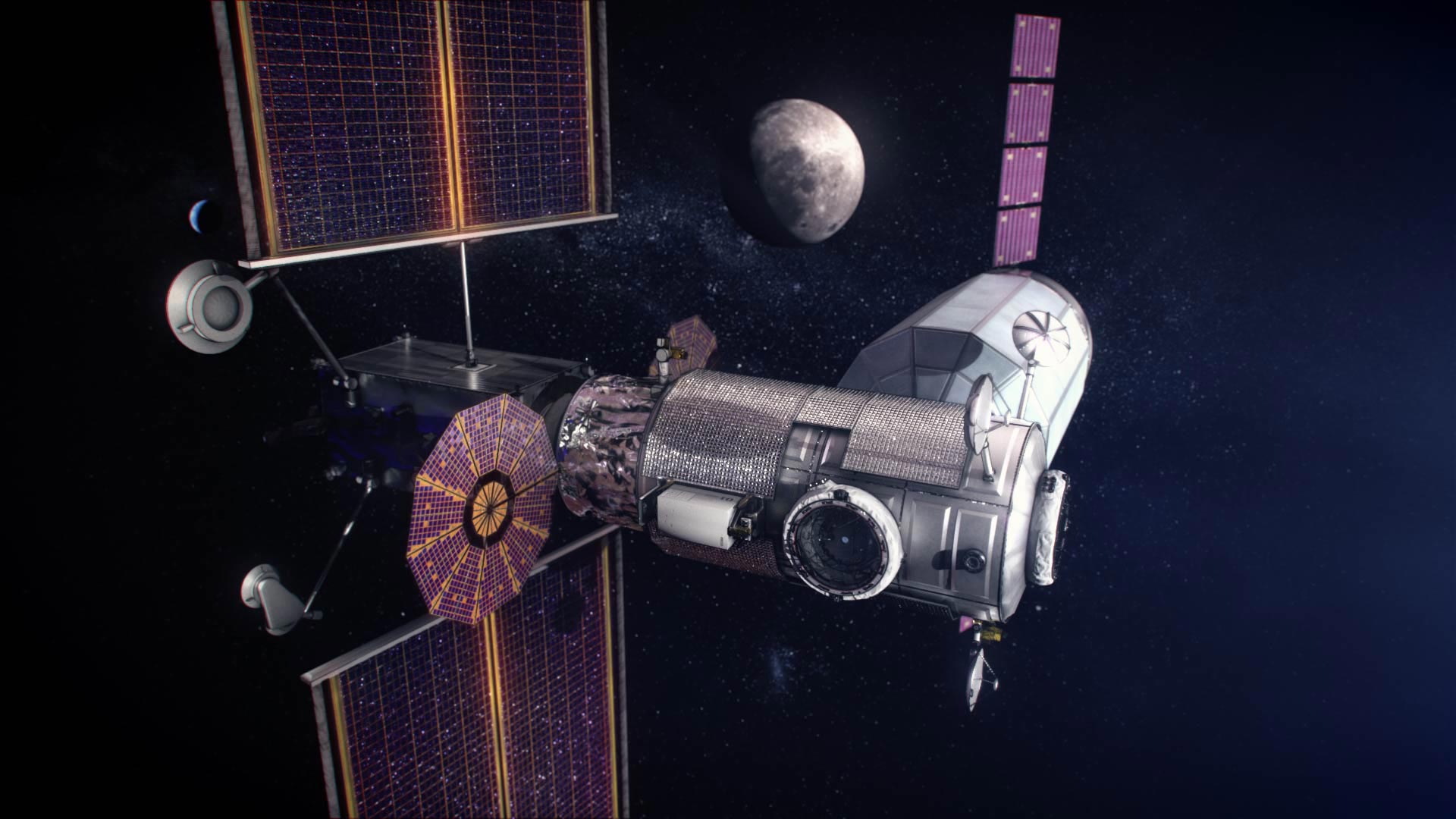
One of the most significant projects post-ISS is NASA’s Lunar Gateway, a small modular space station set to orbit the Moon. As part of the Artemis program, Gateway will serve as a crucial outpost for lunar exploration, supporting future crewed missions and scientific research. Unlike the ISS, which orbits Earth, Gateway will provide a unique vantage point for studying deep space and testing technologies for Mars missions.
China’s Tiangong Space Station: Expanding Capabilities
China’s Tiangong ("Heavenly Palace") Space Station is already operational and expanding. With modules launched since 2021, China plans to enhance its space station’s capabilities with additional laboratories and docking ports. Tiangong aims to support long-duration missions and international collaborations, positioning China as a major player in space station development.
Axiom Space Station: The First Commercial Space Station
Axiom Space is developing the first commercial space station, intended to initially attach to the ISS before becoming a standalone habitat. The Axiom Station will cater to private astronauts, commercial research, and space tourism. Axiom’s long-term goal is to create a fully independent, sustainable orbital facility.
Starlab: A Private Research Lab in Orbit
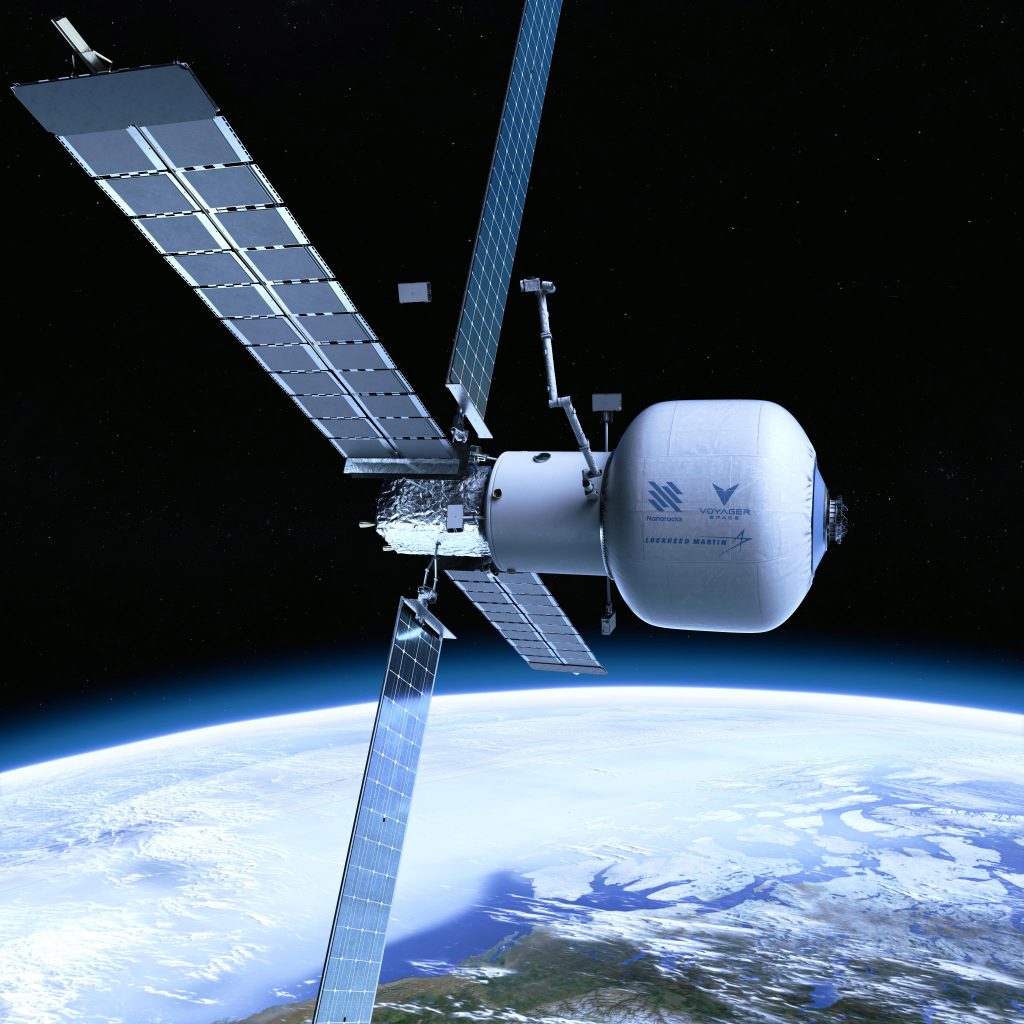
Voyager Space and Airbus have partnered to develop Starlab, a commercial space station designed for scientific research, manufacturing, and tourism. Starlab will feature an inflatable habitat module, advanced research facilities, and support for both government and private sector activities.
Blue Origin’s Orbital Reef: A Space Business Park

Blue Origin, in collaboration with Sierra Space, is working on Orbital Reef, a multipurpose commercial space station. Designed as a “business park in space,” Orbital Reef will offer accommodations for astronauts, research labs, and manufacturing facilities, aiming to be a hub for commercial activities in low Earth orbit.
Russian and Indian Space Station Plans

Russia has announced plans for its Russian Orbital Station (ROSS), intended to replace the ISS and support national space operations. Meanwhile, India is working on a modular space station, expected to launch in the 2030s, reinforcing its growing space ambitions.
The Role of Artificial Gravity in Future Space Habitats
A key challenge in long-term space habitation is microgravity, which affects astronaut health over extended periods. Future space stations may incorporate artificial gravity using rotating habitats, a concept long proposed by scientists. Technologies such as centrifuge modules could help astronauts maintain bone density and muscle mass, making deep-space travel more sustainable.
Sustainable Life Support and Resource Utilization
To ensure long-duration missions, advanced life support systems will be crucial. Many future space stations are focusing on closed-loop ecosystems that recycle air, water, and waste efficiently. Innovations like hydroponic farming and bioregenerative life support will help create more self-sufficient habitats, reducing dependency on Earth for supplies.
The Future of Commercial Space Stations and Tourism
As space becomes more accessible, private companies are developing space tourism opportunities. Future space stations could host wealthy tourists, researchers, and even short-term business retreats. Companies like SpaceX and Blue Origin are investing in spacecraft capable of ferrying passengers to commercial habitats, making orbital tourism a reality.
The Future of Space Habitats
As humanity ventures deeper into space, these upcoming space stations will play a crucial role in research, industry, and exploration. With advancements in sustainable life support, artificial gravity, and modular construction, the next generation of space habitats will redefine our presence beyond Earth. The eventual goal is to develop space stations that serve as stepping stones to Mars and beyond.
Stay tuned as space agencies and private enterprises push the boundaries of what’s possible in space habitation. The future of space stations is just beginning!



No comments:
Post a Comment