
Weekly Space News Roundup for the second week of October 2024


1. ESA’s Hera Mission Launch


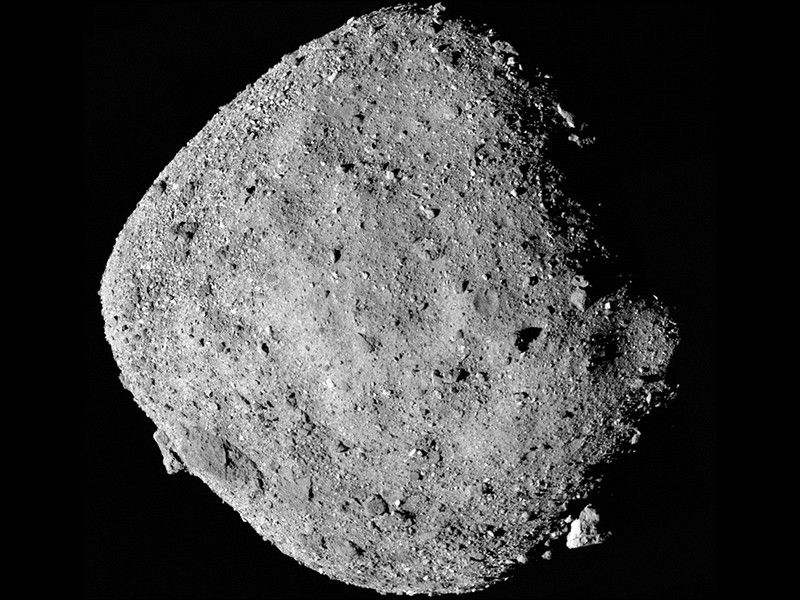
On October 7, 2024, ESA's Hera spacecraft launched via SpaceX Falcon 9. This mission aims to study the aftermath of NASA's DART impact on the Dimorphos asteroid, a vital part of planetary defense research.


2. Draconid Meteor Shower Peaks

Stargazers enjoyed the Draconid meteor shower on October 8–9, 2024, with up to 10 meteors per hour visible. Thanks to minimal moonlight, the skies were clearer for viewing.


3. NASA's Europa Clipper Mission

The highly anticipated Europa Clipper mission, set to launch on October 10, 2024, aims to explore Jupiter’s moon Europa, searching for conditions suitable for life.


4. Supermoon Alert

October 17, 2024, marks the year's final supermoon. Known as the Hunter’s Moon, it will appear larger and brighter as it approaches Earth.


5. NASA’s Roman Space Telescope Milestone

The Nancy Grace Roman Space Telescope has passed a significant testing phase, inching closer to its 2027 launch, aimed at exploring dark energy and exoplanets.


These top stories showcase exciting advancements in planetary exploration and astronomical phenomena.

Comments

Popular posts from this blog

A Day in the Life of an Astronaut: A Detailed Look at Daily Life Aboard the ISS

A Day in the Life of an Astronaut: A Detailed Look at Daily Life Aboard the ISS Introduction Life in space is vastly different from life on Earth. Astronauts aboard the International Space Station (ISS) experience microgravity, breathtaking views of Earth, and a strict daily routine essential for survival and scientific research. With no gravity to hold them down, simple tasks like eating, exercising, and sleeping require specialized techniques and adjustments. This article takes you through a typical day in the life of an astronaut , exploring how they manage work, health, and leisure in space. Morning Routine: Waking Up in Zero Gravity Astronauts wake up at 6:00 AM GMT , following a structured schedule set by NASA and other space agencies. Unlike on Earth, there is no sunrise or sunset in space—just the constant cycle of the ISS orbiting Earth every 90 minutes. Key Activities: Personal Hygiene: Without running water, astronauts use rinseless wipes, no-rinse shampoo, and suct...

NASA’s Innovations in Green Aviation: Paving the Way for a Sustainable Future

NASA’s Innovations in Green Aviation: Paving the Way for a Sustainable Future 🌍 Introduction: Why Green Aviation Matters The aviation industry is a major contributor to global emissions , with commercial aircraft accounting for 2-3% of global CO₂ emissions . As air travel demand grows, the need for sustainable solutions is more urgent than ever. Enter NASA’s Green Aviation Initiative —a series of groundbreaking projects designed to cut fuel consumption, reduce emissions, and revolutionize air travel . From electric and hydrogen-powered aircraft to advanced aerodynamics and sustainable fuels , NASA is shaping the future of eco-friendly aviation . So, what are these innovations, and how will they change the way we fly? Let’s explore! 🌱 The Key Challenges of Aviation Sustainability Aviation’s environmental impact stems from several factors: ✈️ High Fuel Consumption: Jet fuel releases carbon dioxide (CO₂) and other pollutants. 🌍 Greenhouse Gas Emissions: Aviation is resp...

The Latest Space Technology: Next-Gen Spacecraft & Propulsion

Introduction The rapid pace of space technology innovation is reshaping how we explore the cosmos. From next-generation spacecraft designs to groundbreaking propulsion systems, space agencies and private companies are pushing the boundaries of what’s possible. This article highlights the latest advancements in spacecraft technology and propulsion, offering insights into the future of space exploration. Next-Gen Spacecraft Design Modern spacecraft are undergoing a revolution, driven by advancements in materials, artificial intelligence, and modular architectures. Here are some of the most notable improvements: Advanced Materials : Aerospace engineers are developing ultra-lightweight and heat-resistant materials such as carbon nanotubes, graphene, and aerogels, which enhance the durability and fuel efficiency of spacecraft. These materials allow spacecraft to endure extreme temperature fluctuations and reduce the overall launch weight. AI Integration : Cutting-edge AI systems are now emb...