Debunking the Flat Earth Myth: NASA’s Expert Explains the Science
Introduction: Why Does the Flat Earth Myth Still Exist?
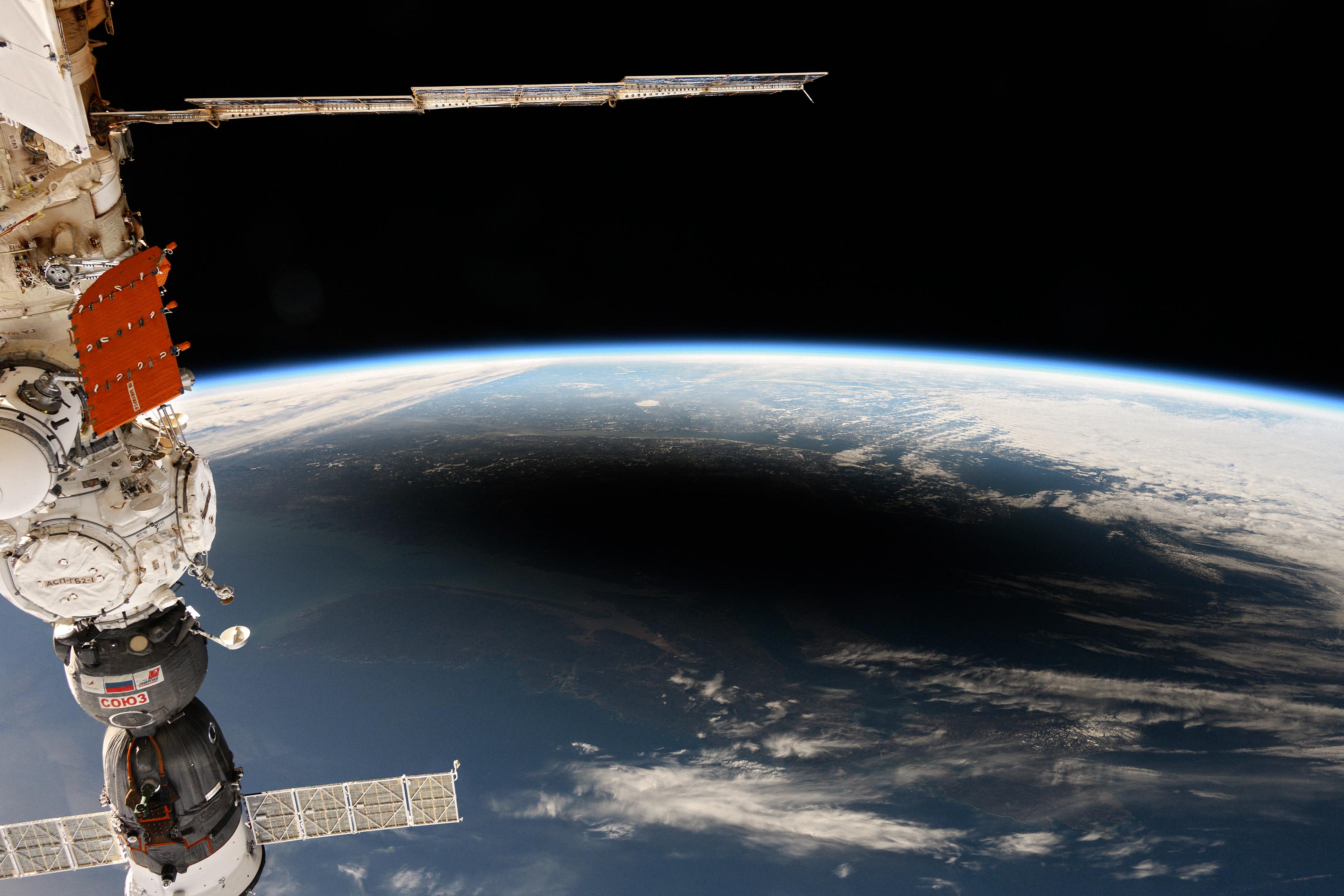
Despite centuries of scientific progress, some people still believe in a flat Earth. This idea, which contradicts both ancient observations and modern space exploration, persists due to misinformation, skepticism toward authority, and the rise of social media conspiracies.
But the truth is undeniable: The Earth is round. Not because scientists “say so,” but because evidence from physics, astronomy, and direct observation confirms it.
In this post, we’ll explore:
✅ How ancient civilizations proved the Earth is round
✅ The scientific evidence that debunks the flat Earth theory
✅ NASA’s role in confirming Earth’s shape
✅ Common flat-Earth claims vs. reality
Let’s break down the facts! 🚀🌍
1. Ancient Proof: How Did We Know the Earth Was Round Before NASA?

1.1 Eratosthenes’ Experiment (240 BCE)
Greek mathematician Eratosthenes performed a simple yet groundbreaking experiment. He noticed that:
- At noon in Syene (modern-day Aswan, Egypt), the Sun cast no shadow inside a well.
- At the same time in Alexandria, there was a shadow.
If the Earth were flat, the Sun’s rays would hit both locations at the same angle, producing no difference in shadows. Instead, the angle difference allowed him to calculate Earth’s circumference—amazingly accurate for his time!
📌 Conclusion: This only works on a curved surface!
1.2 Ships Disappearing Over the Horizon
Since ancient times, sailors observed that ships disappear bottom-first when they move away from the shore. If the Earth were flat, they would simply shrink into the distance instead of vanishing hull-first.
1.3 The Earth’s Shadow on the Moon (Lunar Eclipses)
During a lunar eclipse, the Earth casts a round shadow on the Moon. This happens every time—regardless of Earth’s orientation—proving that our planet is a sphere.
📌 Flat-Earth Claim: "The shadow is just a flat disc."
🔍 Reality: If Earth were a flat disc, we’d see different shadow shapes, not a consistently round one.
2. Modern Scientific Proof: Why Earth Can’t Be Flat

2.1 Gravity – The Shape of Large Objects
Physics shows that gravity pulls objects into a spherical shape. Why? Because in three dimensions, a sphere is the most energy-efficient shape under self-gravity.
📌 Flat-Earth Claim: "A flat Earth could still have gravity."
🔍 Reality: A flat disk would collapse under its own gravity into a sphere!
2.2 The Coriolis Effect – Why Hurricanes Rotate
The Coriolis Effect causes hurricanes to rotate counterclockwise in the Northern Hemisphere and clockwise in the Southern Hemisphere. This is due to Earth’s rotation—something that wouldn’t happen on a flat, non-rotating plane.
2.3 Time Zones – Proof of a Rotating Sphere
Time zones exist because the Sun rises and sets at different times around the globe. If the Earth were flat, the entire planet would experience day and night at the same time—which clearly isn’t the case.
3. NASA’s Role: How Space Exploration Confirms the Earth’s Shape
3.1 Satellite Images and Astronaut Observations
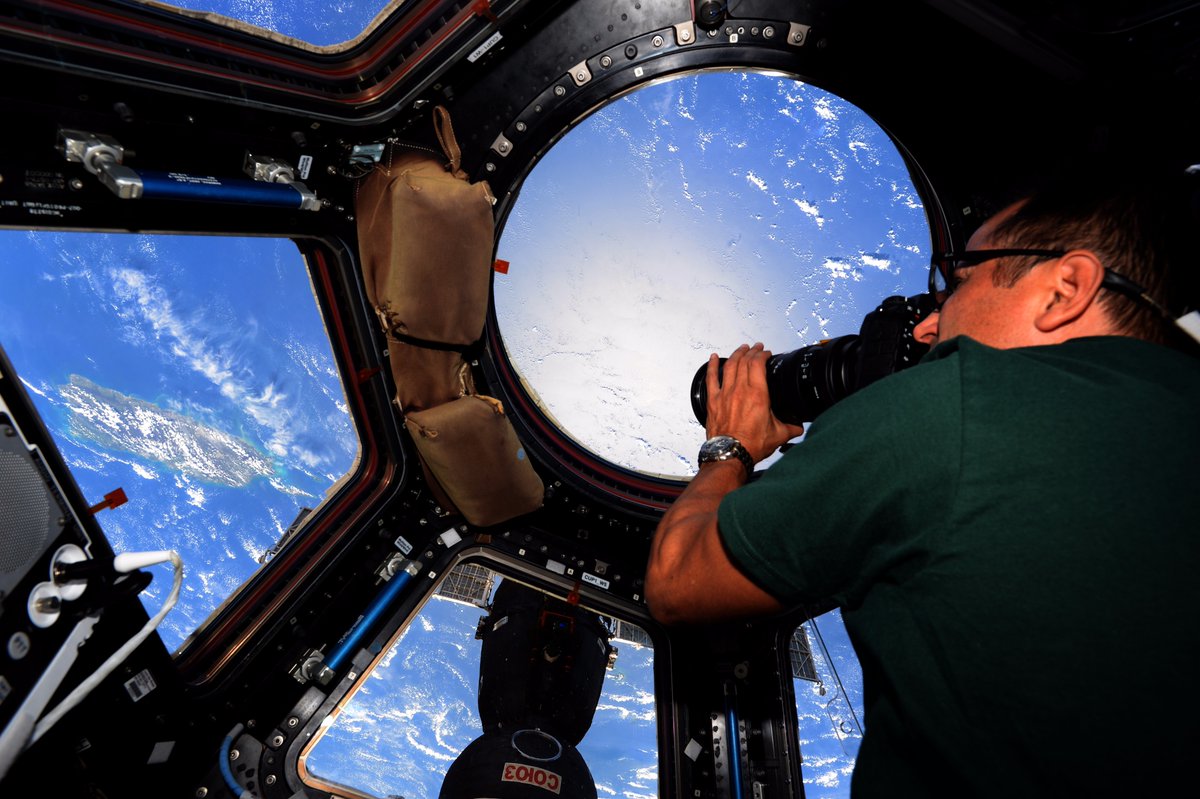
Since the 1960s, NASA and other space agencies have captured thousands of images of a round Earth from space.
📌 Flat-Earth Claim: "NASA fakes all images."
🔍 Reality: Independent space agencies (ESA, JAXA, Roscosmos) all confirm Earth is round. Even private companies like SpaceX show real-time footage of Earth’s curvature!
3.2 The ISS and the Continuous Earth View
Astronauts aboard the International Space Station (ISS) witness 16 sunrises and sunsets per day as they orbit Earth. Their live feeds consistently show a curved Earth, visible from multiple angles.
📌 Flat-Earth Claim: "Astronauts are actors in a simulation."
🔍 Reality: Flat-Earth believers would have to assume all space agencies and private companies are lying—an unrealistic global conspiracy.
4. Debunking Flat-Earth Claims: Common Myths vs. Reality
MYTH 1: "The Horizon Looks Flat."
🔍 Reality:
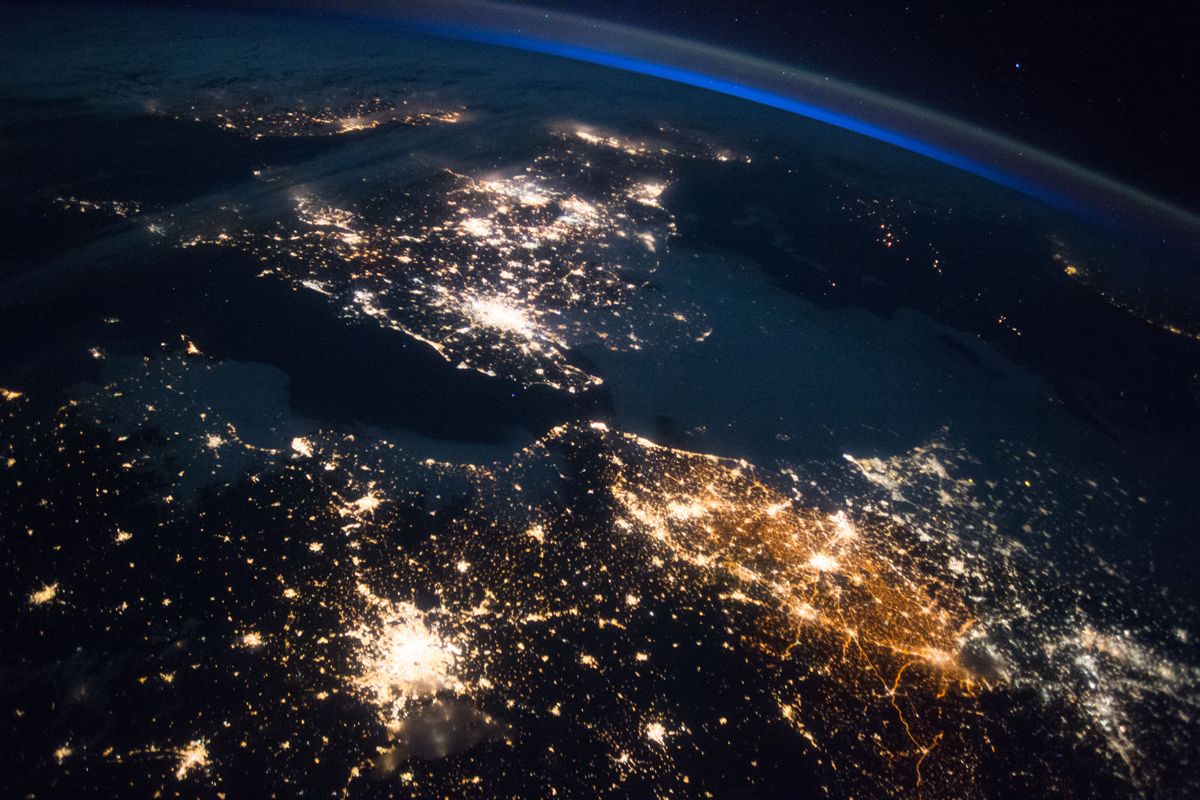
- The horizon appears flat due to our limited field of view.
- From higher altitudes (like airplanes or space), the curvature becomes visible.
MYTH 2: "If Earth Were Spinning, We’d Feel It."
🔍 Reality:
- Earth rotates at 1,670 km/h (1,037 mph), but this speed is constant—just like how you don’t feel motion in a smooth airplane ride.
- You feel acceleration/deceleration, not constant motion!
MYTH 3: "Water Would Fall Off a Round Earth."
🔍 Reality:
- Gravity pulls everything toward the center of the Earth, keeping oceans and landmass stable.
Conclusion: The Earth is Round – And the Proof is Overwhelming
The scientific, historical, and observational evidence for a round Earth is undeniable. The flat-Earth theory relies on misinformation and ignores basic physics, astronomy, and direct observations.
Key Takeaways:
✅ Ancient civilizations knew the Earth was round through logic and observation.
✅ Modern science confirms it through gravity, time zones, and physics.
✅ NASA and space agencies provide direct visual evidence from satellites and astronauts.
✅ Flat Earth claims collapse when compared to real-world data.
Believing in science doesn’t require blind faith—it requires looking at real evidence. And when you do, the truth is clear: 🌍 The Earth is round! 🚀



No comments:
Post a Comment